The transition to kindergarten can be both exciting and nerve-wracking for you and your child. The lead-up can be overwhelming, especially if your child transitions from one building to another and from a half-day to a full-day school.
As a mother of three, who has been through this process twice before and is about to do it for a third time this fall, I can tell you that you will be okay seeing your baby go to kindergarten. You might shed some tears, and your little one may too, but it’s going to be short-lived.
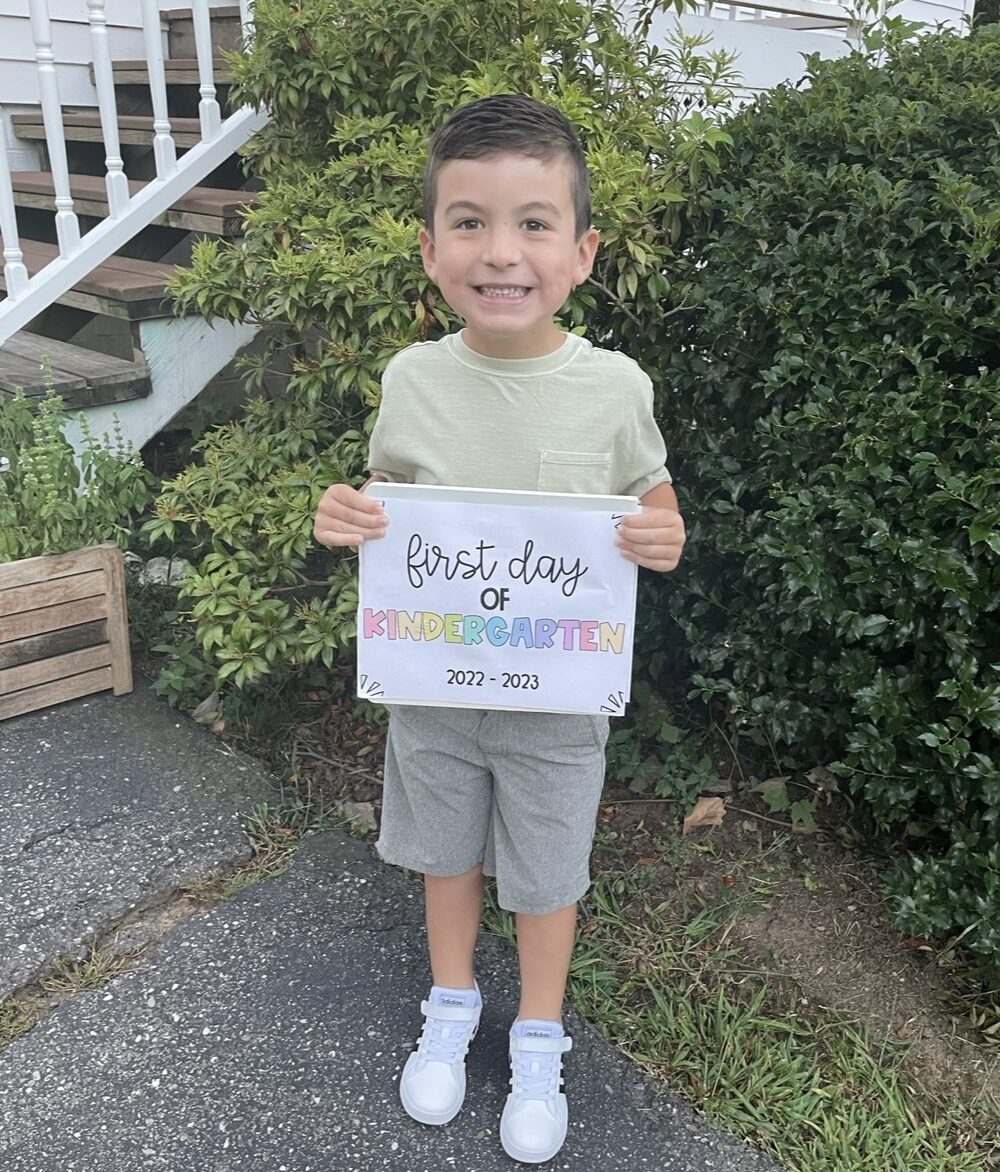
As a current pre-k teacher and former elementary teacher who also taught kindergarten, I always tell parents not to worry about their children being ready for kindergarten. Some children have been in school since they were two, while others skip pre-k and go straight to kindergarten.
Kids will come in at different levels and stages, but once they get into their classrooms, they will all be learning the same thing.
If they can’t recognize all 26 letters, or maybe they did last June but have forgotten due to a summer slide, that’s okay. Kindergarten teachers don’t expect all of their incoming students to know everything. They will, however, assess them at the beginning of the year as a baseline to see what they know and what they may need help with.
They may ask them to print their first name, point to letters to gauge letter recognition, count objects, identify colors and shapes, and recreate patterns. They will also observe whether children can follow one-step directions, engage in conversations with peers, and use pencils and scissors to determine if they need assistance with their fine motor skills.
These are just some of the skills that teachers will check so that they can better assist your child throughout the year. These are also things you may want to work on during the summer, along with reading to your child each night.
Another tip would be to have your child help you read. Allow them to turn the pages. Discuss the pictures and ask if they notice any patterns in the text or illustrations. Even working on phonological awareness is a benefit early on. For example, if you say “hat” and your child says “cat,” you’re on the right track!
Most importantly, get them to love books!
When it comes to preparing for kindergarten math, you can play with your child at home! Put toys into groups and practice counting them! Go on number hunts when you drive! My five-year-old loves doing this. “Look, Mom, a five and a five!” he says as he sees a speed limit sign. You can also build numbers with Legos and blocks.
Social skills are very important in kindergarten. Children will learn how to communicate, express their feelings, and work with others in pairs and groups. They will make friends and learn how to follow rules, routines, and procedures.
Kindergarten is a place to grow.
Even if they enter the class not being the best at sharing, or still crying when becoming frustrated, it will all work itself out. Their teachers will give them the tools to learn how to be a good friend, an active listener, a thoughtful communicator, and an engaged student.
If they notice an area where your child is struggling, they will reach out and offer support and suggestions. They may even suggest certain evaluations to see if your child needs extra help in the areas of speech, occupational therapy, physical therapy, or other resources.
If your child attended pre-k last year, review their end-of-year progress report to see what skills they were proficient in and which ones were still emerging. This could be an invaluable tool for parents to identify areas to work on over the summer and ensure their children are as kindergarten-ready as possible.
If your child is feeling nervous about the transition, make it fun! If possible, let them choose a new big kid backpack or let them help when shopping for supplies. If there is a meet-the-teacher event before school starts, make your best efforts to attend. Let them know the new routines for the morning and the afternoon, especially if they are taking a bus for the first time.
Just remember, you got this! It’s okay to cry into your coffee on that first morning, but remember, they may cry too, so put on your brave face. By week two, I guarantee they’ll be like kindergarten professionals, telling you everything they’ve learned, and then some!
And although I will be returning to pre-k this fall, my son will be getting on the bus and heading to kindergarten! I’m right there with you, mamas!
Pro Tips from a Veteran Mom
- Write down gym times and put them on your fridge so they don’t forget to wear sneakers to school.
- Print out the lunch calendar.
- Get lunches and outfits ready the night before.
- Try to do homework as early as you can in the day, even though it’s hard to do.
- Don’t wait for your child’s teacher to contact you. If you have a concern, reach out!
- Always send in more tissues! Okay, this is the teacher in me writing this one!