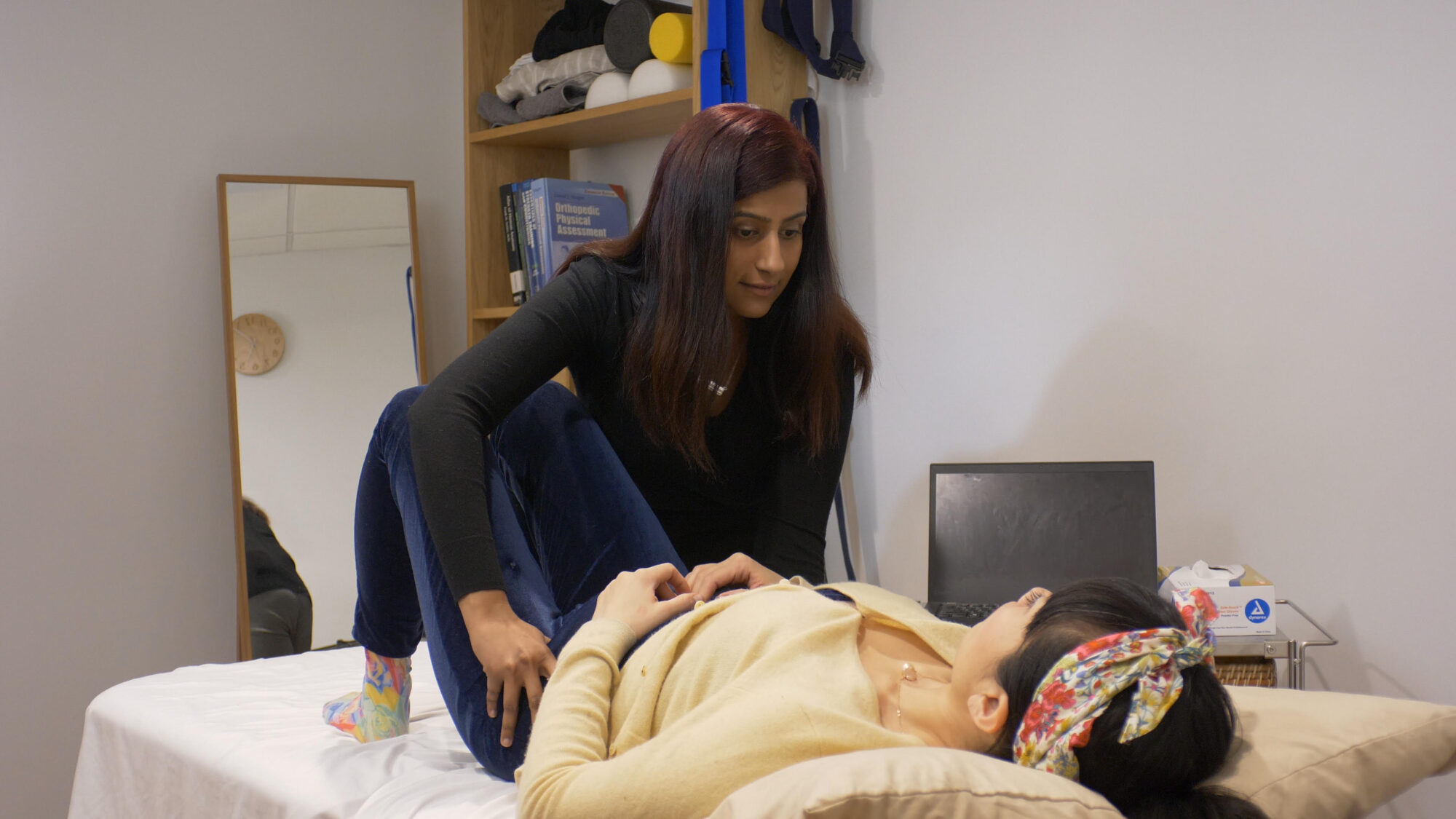
People often say, “You can’t understand motherhood until you’ve lived it.”
As a physical therapist specializing in women’s health, I used to nod politely at that statement. I understood pregnancy, birth, postpartum recovery, pelvic pain, and the incredible changes a woman’s body undergoes. I had studied them. I had treated them. I had built my career around them.
Then I became a mother. And I realized there is a profound difference between knowing what happens to the body and experiencing what happens to the mind.
Motherhood is exhausting, exhilarating, lonely, joyful, terrifying, and deeply humbling. It changes how you think, how you prioritize, how you make decisions, and ultimately, how you experience your own body.
Before becoming a mom, I knew that new mothers were tired. After becoming a mom, I understood what it meant to function for weeks on broken sleep while making dozens of decisions every hour.
Before becoming a mom, I knew women often put themselves last. After becoming a mom, I understood what it feels like when taking a shower feels like a luxury, when eating a meal while it’s still warm feels like an accomplishment, and when your own doctor’s appointment is the easiest thing to postpone.
Before becoming a mom, I would send patients home with carefully designed exercise programs. They made perfect sense on paper.
Now I smile when I think about some of those plans. Not because the exercises were wrong, but because they assumed my patients had something many of them simply didn’t have: bandwidth.
Sometimes a woman isn’t avoiding her exercises because she lacks motivation. She’s surviving. She’s keeping a tiny human alive while her own body is asking for help.
As therapists, we often ask, “How can I help this patient do more?”
Motherhood taught me to ask a different question.
“What is this person carrying today?”
Sometimes the answer isn’t another exercise. Sometimes it’s permission to do less. Sometimes it’s reassurance that this season won’t last forever. Sometimes healing begins when someone finally feels understood instead of judged.
But perhaps the greatest lesson motherhood taught me had nothing to do with pelvic floors. It taught me about uncertainty.
Throughout my career, I’ve viewed the human body like a puzzle. Every symptom has countless pieces: injuries, stress, sleep, hormones, childhood experiences, relationships, movement, nutrition, work, pregnancy, and countless others. I loved solving those puzzles, but I also found uncertainty frustrating. If someone wasn’t improving, I wondered what piece I was missing. If only I had more information, maybe I could solve it.
Then I became a parent.
For the first time in my life, I was responsible for nearly every decision affecting another human being. I read the books. I followed the recommendations. I paid attention. I worried. I adjusted. I did everything I thought I was supposed to do.
And still there were sleepless nights. Still there were illnesses. Still there were tears I couldn’t explain. Still there were days when nothing that had worked yesterday worked today.
It was one of the most important lessons of my life.
Doing everything “right” does not guarantee the outcome you hope for. That realization did make me feel helpless.
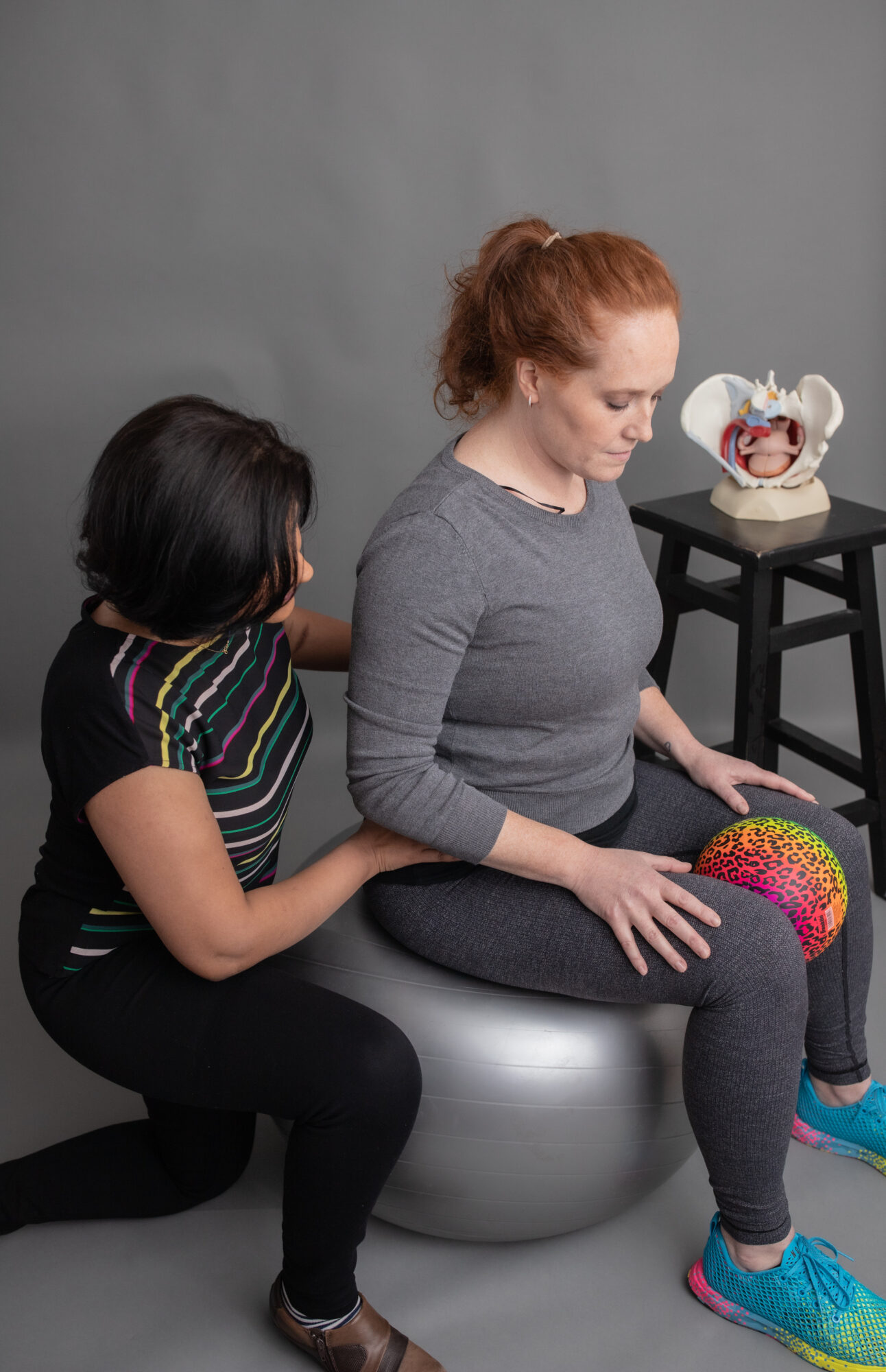
But it taught me that good care isn’t about controlling every variable. It’s about showing up with knowledge, curiosity, compassion, and the humility to admit that life is wonderfully, frustratingly unpredictable.
As therapists, we don’t control healing. As parents, we don’t control childhood.
In both roles, we guide. We support. We adapt. We love. We make the best decisions we can with the information we have, and then we keep showing up tomorrow.
Motherhood has made me more patient with my son. It has made me more patient with myself. And perhaps most importantly, it has made me more patient with my patients.
Now, when someone sits across from me feeling frustrated that her body isn’t doing what she wants, I no longer see a problem to solve as quickly as possible.
I see a person navigating a season of life that asks more of her than anyone else can fully appreciate.
My job is still to use science. To evaluate. To diagnose. To treat. But now I know that healing is rarely about controlling every variable.
More often, it’s about walking beside someone through uncertainty, helping them become curious instead of fearful, celebrating small victories, and trusting that progress is possible even when the path isn’t straight.