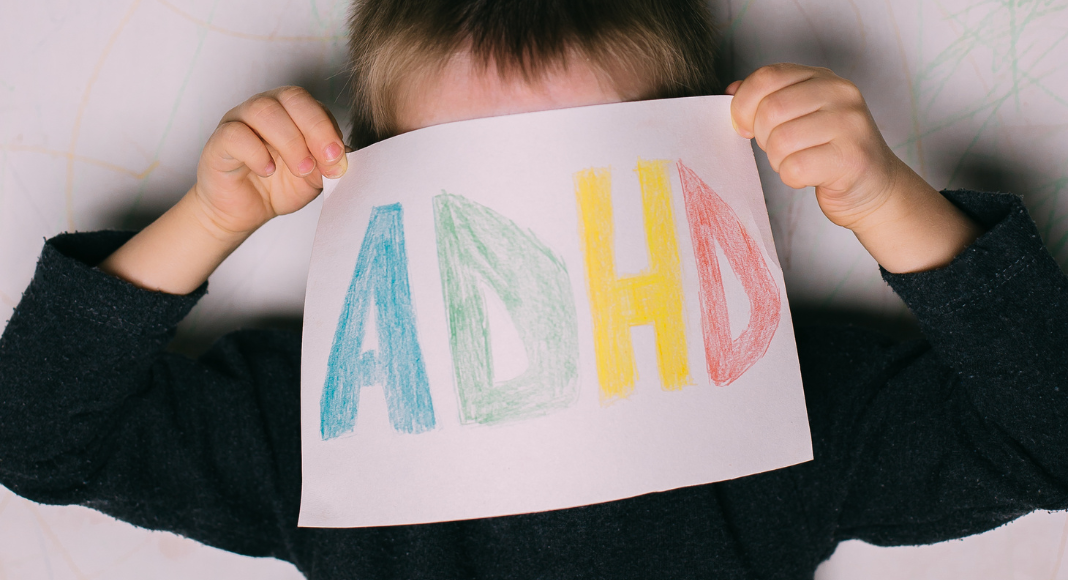
 October is ADHD Awareness Month. I’m passionate about advocating for neurodiversity and fighting stigmas surrounding it. I wrote about parenting children with ADHD and about being a late-diagnosed adult with ADHD. ADHD is not just about being “distracted” or “hyper,” it’s about how the brain processes attention, motivation, and emotional regulation.
I want to raise awareness about an aspect of ADHD that not so many people know about. It’s the ADHD impact on mental health. Not everyone with ADHD experiences poor mental health.
ADHD doesn’t just affect mental health; it weaves through it. ADHD isn’t fundamentally destructive, but its untreated, unmanaged impact, social stigmas, and lack of accommodations, combined with untreated coexisting conditions, make managing mental health more challenging.
Let’s be honest, our society is not built for neurodiversity. If society were more centered around flexibility, creativity, and diversity acceptance, ADHD traits might be less pathologized and cause less mental health fallout.
Here are some statistics to give you a better idea.
In Adults with ADHD:
- Anxiety disorders: 25–40% (vs. ~18% in the general adult population)
- Major depressive disorder: 30–50% lifetime prevalence (vs. ~15–20%)
- Bipolar disorder: 10–20% (vs. ~2–4%).
- Substance use disorders: ~25% (vs. ~10%).
- Personality disorders: Up to 30% show traits, especially borderline and antisocial.
In Children and Adolescents with ADHD:
- Oppositional Defiant Disorder (ODD): 40–60%
- Conduct Disorder: 20–50%
- Anxiety Disorders: 25%
- Depression: 15–30%
- Learning Disorders (dyslexia, dyscalculia, etc.): 20–30%
Suicide Risk:
- Adults with ADHD are 5 times more likely to attempt suicide than those without ADHD.
- Women with ADHD show a higher risk for self-harm and suicidal ideation compared to men.
In General:
- Adults with ADHD report lower life satisfaction, higher divorce rates, and more frequent job changes.
- ADHD increases the risk of accidents and injuries by 50–70%.
As you see, ADHD impacts mental health in many ways. While ADHD itself doesn’t cause mental health conditions, the challenges it creates can definitely feed them. Take emotional regulation, for example, many people with ADHD struggle with managing frustrations, disappointments, and rejection, and they can experience intense emotions. This can lead to frequent mood swings. Over time, this can worsen their self-esteem and can lead to depression and anxiety or worsen them.
Along with other challenges that ADHD brains face frequently, like trouble with planning and organizing, which leads to missed deadlines and being inconsistent, or having an unstable career and social difficulties, all of which lead to repeated “failures” that cause chronic stress and feed anxiety and depression.
By adulthood, many people with ADHD internalize labels given to them by society, like “lazy,” “messy,” and “unreliable,” as personal failings.
ADHD brains have different dopamine signaling, which affects both reward-seeking and mood regulation. There are also sleep problems, as ADHD brains often have irregular sleep patterns (racing thoughts at night, delayed sleep cycles, etc.). Poor sleep worsens attention, mood, and impulse control—creating a vicious cycle.
On the flip side, ADHD can bring hyperfocus, innovation, creativity, energy, problem-solving, and resilience from constantly adapting. For some, leaning into those strengths can buffer against mental health struggles.
There are many ways to live with ADHD. Many seek a diagnosis and treatment. We all need a supportive environment and accommodations, such as external memory like sticky notes or reminder apps and calendars, and chunking tasks into 10-15 minute sprints. It’s also important to minimize distractions while keeping stimulating tools available, such as fidgets and music that help focus.
Focusing on strengths, finding a community that “gets it” to reduce isolation and shame, and educating family and friends to help reduce misunderstanding and criticism, improves mental health tremendously.