 If you or someone in your household has a food allergy, you have probably learned how to manage food in your home. Managing food allergies at home is easier to control, while locations such as daycare, school, work, restaurants, and parties can be much more challenging.
You can have ultimate food safety at home by safely preparing food, eliminating cross-contamination risks, and educating everyone in your household about the importance of food safety. By keeping your home safe, everyone in your household can relax and learn how to manage a food allergy properly. You decide what foods you buy and keep in your house.
Starting early education among family members is the best way to empower lifelong management of living with a food allergy. Teaching the know-how of managing food allergies is the only way to empower safe decisions inside and outside the home.
Each family will decide what works best for their household. Many families will ban the allergen entirely from their home. Others may allow that problem food in their home, but take precautions to keep the family member who has the allergy safe.
If you decide to allow the problem food into your household, ensure that everyone understands the implications of food safety and cross-contact. You will need to firmly educate all family members on how to handle the problem food. If you decide to ban the food entirely, it is easier to keep your household safe, but you will need to teach the child with allergies how to manage their condition outside the home.
It is essential to consider that some allergens are more easily banned than others.
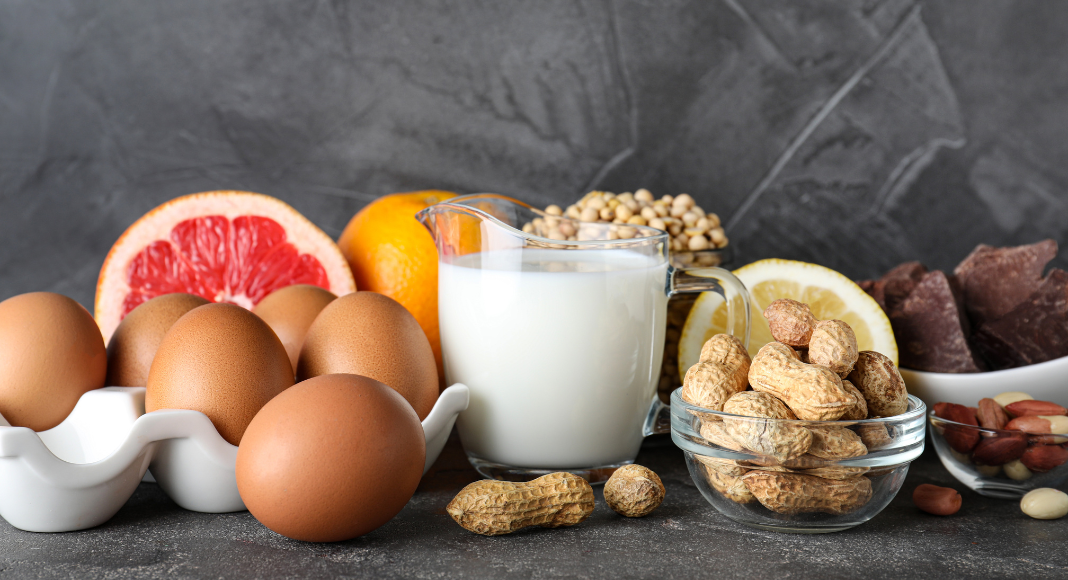
For example, a nut allergy is something that is easier to manage, and other family members may not suffer from dietary restrictions. Still, allergies to milk, eggs, and/or wheat may make it difficult for others to maintain a balanced diet. Another important consideration is using the home as a learning environment. When you live around the problem food, the child with the allergy can learn to cope with the allergen, handle a reaction, and understand what they need to do to stay safe, regardless of their surroundings. This is extremely important as the child grows and spends more time away from home.
Some tips include:
- Teach everyone in the household how to read a food label and recognize harmful ingredients.
- All family members should wash their hands before and after eating.
- Scrub down counters and tables after food preparation and after meals.
- Practice proper food preparation to avoid cross-contact. Thoroughly clean and consider using separate utensils and dishes to prevent cross-contamination.
- Separate safe and unsafe food by designating specific shelves in the pantry and refrigerator and storing all foods in sealed containers.
- Label either the problem foods or the safe ones (whichever is easier to identify).
- Create allergen-free zones in your home, or restrict eating to the kitchen and dining room only.
- Assemble an emergency kit that includes medications, an auto-injector, and a Food Allergy & Anaphylaxis Emergency Care Plan.
For more information, refer to the Food Allergy Research and Education (FARE) tip sheet on how to safely prepare food and minimize cross-contact risks, as well as tips for avoiding your food allergen and reading food labels.