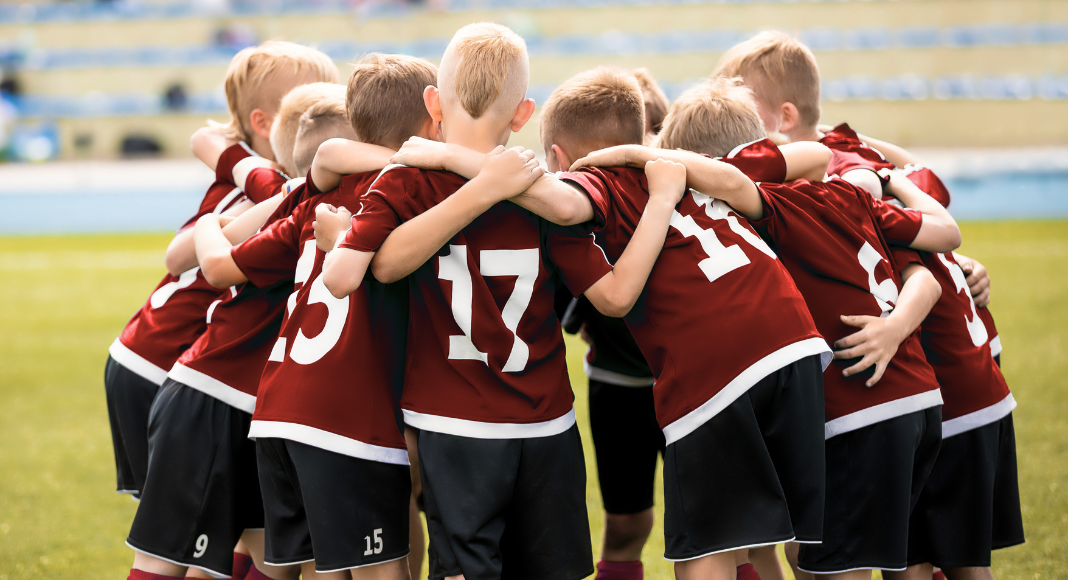
 Saturday mornings used to mean orange slices, folding chairs, and kids laughing as they chased a ball across the field. Youth sports were meant to teach teamwork, build confidence, and give kids a chance to burn energy while having fun.
But somewhere along the way, things changed.
Across the country, youth sports have become increasingly intense and competitive. Travel teams start earlier than ever. Seasons stretch longer – basically all year round. I never imagined going to a baseball tournament in mid-November. And unfortunately, tensions on the sidelines sometimes boil over. Stories of parents arguing with referees—or even getting into physical altercations—have become far too common.
When adults forget why kids play sports in the first place, the joy of the game begins to fade.
As a sports mom, I’ve had a front-row seat to the highs and lows of youth athletics. I’ve seen incredible teamwork and character building—but lately, I’ve seen the pressure that can creep in when winning becomes the only thing that matters.
The good news? Parents can play a powerful role in shifting the culture back to what it should be: fun, growth, and positive experiences for kids.
Here are a few reminders and tips for sports parents trying to keep youth sports healthy and joyful.
1. Remember: They’re Kids First, Athletes Second
It’s easy to get caught up in scores, rankings, and statistics. But for kids, sports should primarily be about learning and enjoyment.
Not every child is going to become a college athlete or play professionally—and that’s okay. What they can gain from sports is confidence, resilience, friendships, and life skills that last far longer than any trophy. Sometimes the best thing we can do as parents is let them play.
2. Focus on Effort, Not the Outcome
One of the most powerful shifts a parent can make is changing the post-game conversation.
Instead of asking:
- “Did you win?”
- “Why didn’t you score?”
Try asking:
- “Did you have fun?”
- “What was your favorite moment today?”
- “What did you learn from the game?”
Kids thrive when effort and growth are celebrated, not just the final score. Individual growth and reflection could help a child gain perspective on how far they have come on the spectrum of skill and development.
3. Be the Sideline Example
Children watch everything their parents do—especially during games. When adults yell at referees, criticize coaches, or argue with other parents, it sends a message that winning matters more than respect. I definitely have to remind myself of this more often than not!
Modeling positive behavior can completely change the tone of the sidelines:
- Cheer for effort and teamwork.
- Respect officials and coaches.
- Encourage all players, not just your own child.
A supportive sideline creates a healthier environment for everyone.
4. Protect the Joy of the Game
Burnout in youth sports is becoming more common, often because kids feel constant pressure to perform.
Parents can help prevent this by:
- Allowing kids to try multiple sports
- Avoiding year-round specialization too early
- Making space for rest and unstructured play
- Creating a well-rounded rest and recovery routine
These youth athletes are still kids.
5. Keep Perspective
In the grand scheme of life, most youth games won’t matter five years from now.
What will matter is how kids feel while they play.
- Did they feel supported?
- Did they feel safe to make mistakes?
- Did they enjoy the experience?
Those memories shape how kids view sports—and even physical activity—for the rest of their lives.