 March is the doorway into spring. It’s the doorway into all of those things we’ve been hoping for — new beginnings, fresh flowers, and warmer temperatures. It symbolizes hope.
There’s something about not having to wear a heavy coat anymore, feeling the spring breeze in our hair, and sensing the anticipation of summer that brings a quiet excitement back to life.
Around this time of year, I start to feel a flutter in my stomach. Those butterflies begin to stir, creating a mix of excitement and joy. It becomes a transition period — that thrilling sensation of being alive, of waking up again after months of stillness. Something about flowers growing and daylight stretching longer stirs up childhood memories: days at the beach, playing outside, enjoying the simpler things in life.
Spring invites us to slow down and appreciate all the beauty that surrounds us. To notice the small things. To remember that life is truly a miracle. So where do I start? Let’s reflect on that question together: What does hope mean to you? Below is a simple way to begin exploring your own vision of hope.
1. Start With an Outline
Choose a few headers that feel meaningful — things like Renewal, Joy, Possibility, Growth, or Awakening.
2. Under Each Title, Jot Down Bullet Points
Let your thoughts flow freely. Write down images, memories, sensations, or ideas that connect to each theme.
3. Explore Ways to Express or Physicalize Your Feelings
Think about how hope shows up in your body and your daily life:
- Taking a walk and noticing signs of spring
- Writing morning reflections
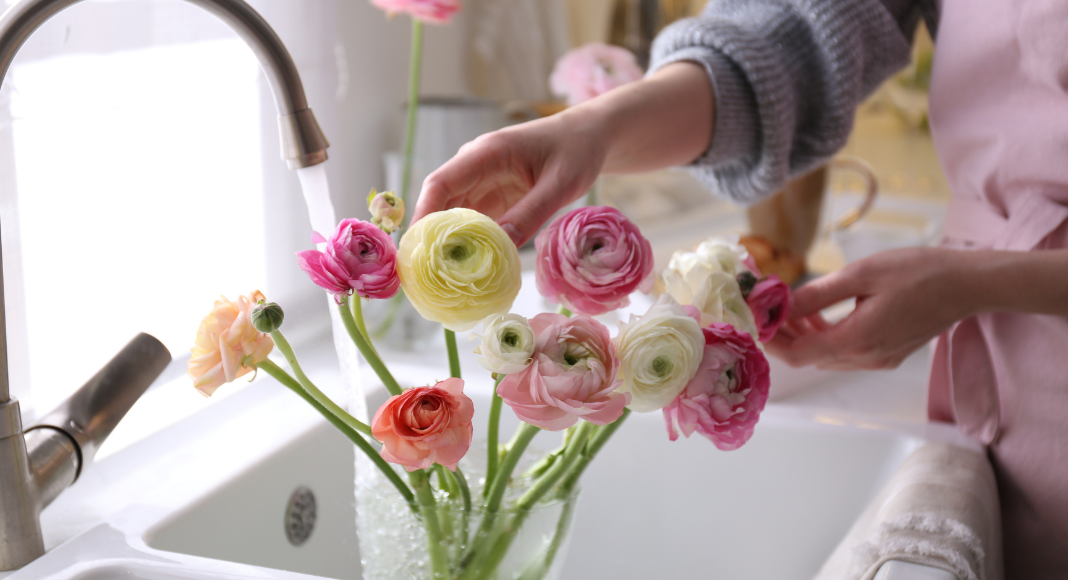
- Bringing fresh flowers into your space
- Listening to music or audiobooks that lift your spirit
- Wearing lighter colors or fabrics
- Opening the windows and letting fresh air in
4. Identify Your Feelings and Where You Feel Them
Use your own words:
- Butterflies in the stomach
- Lightness in the chest
- Warmth spreading through the body
- A sense of grounding in your feet
- Relaxation in your shoulders
5. How Do You Know You’ve Reached That State of Being?
Look for clues:
- You feel more open
- You notice beauty more easily
- You feel energized instead of weighed down
- You catch yourself imagining possibilities
6. Emotional, Physical, and Psychological Evidence
- Emotional: joy, calm, anticipation, curiosity
- Physical: deeper breaths, softer posture, more energy
- Psychological: clearer thinking, more optimism, a sense of direction
7. Explore Frequency, Duration, and Intensity
- How often does hope show up?
- How long does it stay?
- Is it a gentle hum or a strong surge?
8. Write Down Past Examples
Reflect on moments when hope felt alive in you — childhood memories, turning points, times when something beautiful arrived after difficulty. These moments remind you that hope has always been part of your story.
It’s essential to recognize and reflect on the experiences that have shaped us — both the difficult ones and the beautiful ones. We don’t need to ignore or discredit the hard times. But to keep hope alive, to learn to thrive rather than survive, we must live with the mindset that something beautiful is about to happen.