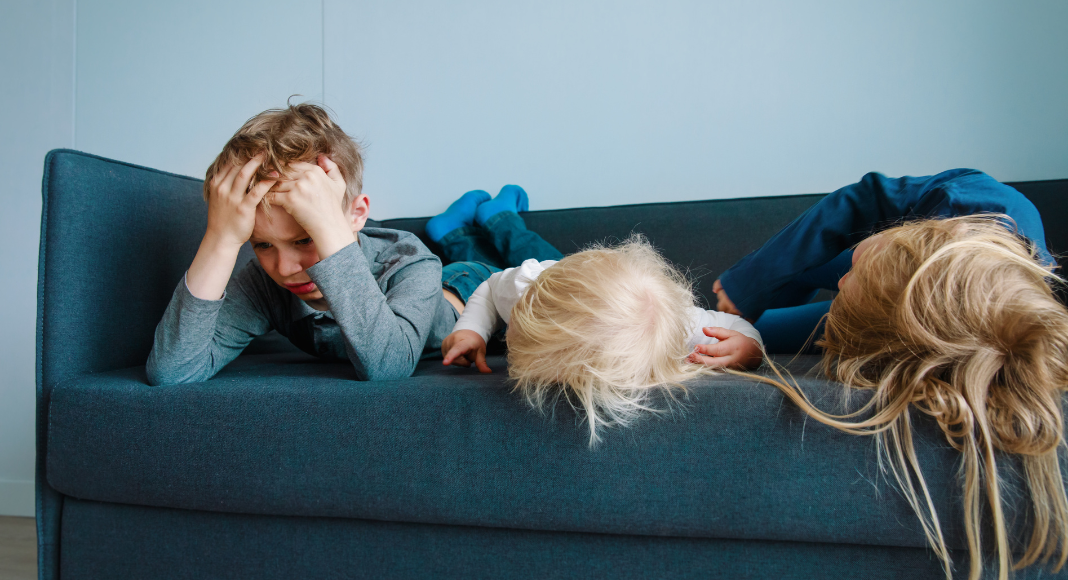
 As parents, it’s almost instinctive to jump in the moment we hear, “I’m bored!” We search for activities, hand over a tablet, turn on the TV, or plan the next outing. While wanting our children to be happy and engaged comes from a place of love, constantly filling every free moment may actually prevent them from developing some of life’s most important skills.
In today’s fast-paced, technology-driven world, children are surrounded by constant entertainment. With televisions, tablets, video games, and smartphones available at the touch of a button, there are fewer opportunities for children to sit with their thoughts and discover ways to entertain themselves. Ironically, boredom may be exactly what many children need.
Boredom Sparks Creativity
When children aren’t given immediate entertainment, their brains begin to work. They build forts out of blankets, create imaginary worlds, invent games, draw pictures, write stories, or transform a cardboard box into a spaceship.
These moments of self-directed play encourage creativity because there is no script to follow or screen telling them what comes next. Instead, children become the creators.
It Builds Problem-Solving Skills
When children experience boredom, they face a simple challenge: “What should I do now?”
Finding an answer requires planning, decision-making, and independent thinking. These are valuable executive functioning skills that help children become more confident learners both in school and throughout life.
Children Learn Independence
Not every moment needs to be organized by an adult. Allowing children time to make their own choices teaches them that they are capable of creating fun, solving problems, and managing their time.
Children who regularly engage in independent play often develop greater confidence because they learn to trust their own ideas.
Boredom Helps Build Emotional Resilience
Life isn’t always exciting. There will be moments of waiting, disappointment, and downtime throughout childhood and adulthood.
Learning to tolerate boredom helps children develop patience and emotional regulation. Instead of expecting constant stimulation, they learn that uncomfortable feelings are temporary and manageable.
Less Screen Time, More Meaningful Play
Research has consistently shown that excessive recreational screen time can interfere with sleep, attention, physical activity, and opportunities for social interaction. While technology certainly has its place, children also benefit from spending time outdoors, engaging in imaginative play, reading books, creating art, and connecting with family and friends.
Sometimes the best memories are made when children invent their own adventures rather than following one on a screen.
What Parents Can Do
The next time your child says, “I’m bored,” try resisting the urge to immediately solve the problem.
Instead, you might respond with:
- “I wonder what you could create.”
- “What are three things you could do with what’s already in the house?”
- “Would you like to build something, draw, read, or play outside?”
- “I’m excited to see what you come up with.”
Giving children space to think doesn’t mean leaving them without support—it means allowing them to discover what they’re capable of.
A Little Boredom Goes a Long Way
Boredom isn’t something to fear—it’s often the beginning of imagination, creativity, independence, and growth.
In a world filled with constant notifications, busy schedules, and endless entertainment, one of the greatest gifts we can give our children is time to slow down, explore, wonder, and be kids.
So the next time you hear, “I’m bored,” smile. It may just be the start of your child’s next great adventure.