 Dogs are often referred to as “man’s best friend” because they possess the qualities we look for in friendship – loving, loyal, trustworthy, dependable, and consistent. For all they give us, they depend on us to take care of them and provide the essentials of life: food, shelter, and good company.
It is our responsibility to treat our pets with kindness and consideration and help them maintain good health. Good health encompasses a balanced diet, regular physical activity, and maintaining a healthy weight.
Aside from their regular diet, we can share many other foods that offer health benefits. Similar to humans, dogs can enjoy most foods in moderation. However, we need to be mindful that each dog has a unique digestive system, so we must be sure to observe which foods work well and which may not be suitable for your particular dog.
Summer produce is a good way to add additional nutrients to your pup’s diet.
My dog loves watermelon and carrots! Keep in mind that you can use summer produce as an occasional treat or snack, but keep these foods to no more than 10% of your dog’s daily diet.
Include items such as:
- Apples, Pears, Peaches, Apricots, Plums
- Melons: Watermelon, Cantaloupe, Honeydew
- Bananas
- Berries: Blueberries, Raspberries, Blackberries, Strawberries, Cranberries
- Brussels Sprouts, Broccoli, Cauliflower, Cabbage
- Oranges, Clementines
- Carrots (all color varieties)
- Celery
- Cucumbers
- Green Beans, Lima Beans, Green Peas
- Pineapple
- Mango
- Coconut
- Sweet Potatoes
- Corn
- Spinach, Bok Choy, Leafy Green Vegetables
- Summer Squash (Zucchini and Yellow Squash), Pumpkin
- Bell Peppers (Green, Orange, and Yellow)
Unsafe Fruits & Vegetables:
- Grapes, Raisins, Dried Currants, Golden Raisins
- Avocado
- Apple Seeds and Pits from a Peach, Nectarine, Plum, Apricot, or Cherries
- Onion, Garlic, Chives, Shallots, Scallions, Leeks
- Wild Mushrooms
- Rhubarb
- Moldy foods
- Raw Potatoes
- Unripe Tomatoes
Other Food Considerations:
- Nuts: Dogs can enjoy small servings of peanuts, peanut butter, and cashews. Choose raw nuts or nuts that are roasted without oil and salt. Avoid almonds and macadamia nuts.
- Bread & Grains: Small amounts of plain bread will not harm your dog, but it does not provide any health benefits. Offer bread sparingly or avoid it. Other grains, such as plain popcorn, rice, pasta, oatmeal, and quinoa, can also be included.
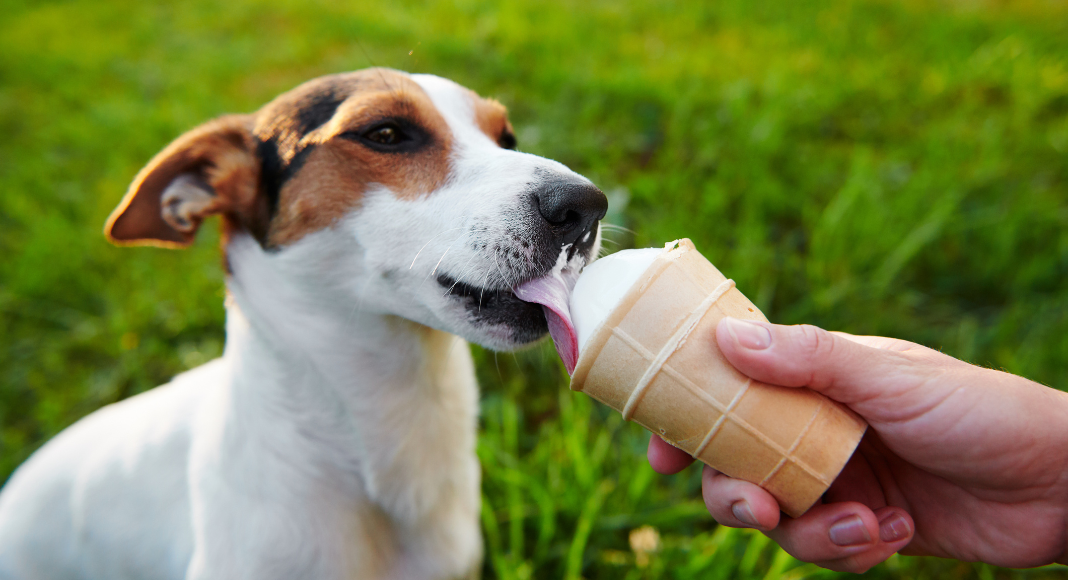
- Cheese & Dairy: Offer small servings of lower-fat cheeses such as cottage cheese and mozzarella. Plain nonfat Greek-style yogurt is also a great choice. Avoid ice cream due to its sugar content.
- Fully cooked eggs.
- Fish & Seafood: Fully cooked salmon, sardines, tuna fish packed in water, and shrimp are good choices.
- Meats: Limit smoked and processed meats such as ham and other cold cuts. Also, limit fatty meats such as bacon. Include fully cooked meats such as beef, pork, turkey, and chicken. Do not give your dog bones, especially bones from poultry.
- Avoid salty foods such as chips, pretzels, processed foods, and salted nuts, as salt can increase water retention. Avoid all candy, chocolate, and cinnamon.