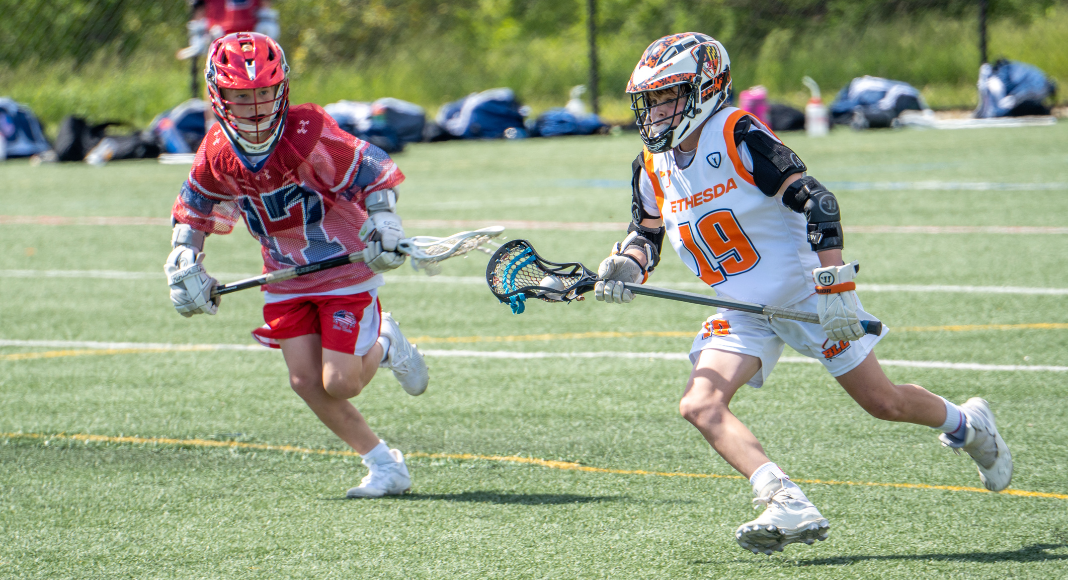
 Kids who eat healthy, well-balanced meals and snacks will get the nutrients they need to perform well in sports. The child athlete can have higher energy and fluid requirements. Most kids naturally consume the correct number of calories, but these calories must come from nutrient-dense foods.
Young athletes should focus on eating well throughout the week and consider the following tips before and after practice and on game days.
1. Focus on Carbohydrates for Energy.
Carbohydrates are the most important fuel for an athlete. Carbohydrates are stored in muscle, and athletes need this stored energy to perform at their best. Choose whole-grain varieties of bread, tortillas, pasta, crackers, and hot and cold cereals, as well as lots of fruits, vegetables, beans, and legumes.
2. Eat a Protein Source with Each Meal.
Active bodies need protein to support growth and build and repair muscles. Young athletes should spread protein foods throughout the day, combining them with carbohydrates at each meal and with most snacks. Examples include eggs and whole-grain toast with fruit for breakfast or a sandwich with peanut butter on whole-grain bread, accompanied by yogurt and raw vegetables for lunch. Plant-based protein foods like tofu and beans also are great choices.
3. Choose Good Fat.
Fatty foods slow digestion, which is not ideal for an athlete who needs to be active. Greasy, fried foods and fatty desserts can be filling, but they may leave your child feeling tired and sluggish. Keep fat content on the light side and include healthy options such as olive oil, avocados, nuts, and seeds.
4. Vitamins and Minerals.
Kids need a variety of vitamins and minerals. Calcium and Iron are particularly important for athletes. Calcium-rich foods include milk, yogurt, cheese as well as green leafy vegetables. Iron-rich foods include lean meats, chicken, tuna, salmon, eggs, dried fruits, green leafy vegetables, and fortified whole grains.
5. Be Mindful About Food Safety.
Nothing will slow down your athlete more than food poisoning. Ensure that you store snacks at the proper temperature to prevent spoilage. Keep cheese, yogurt, meat, eggs, and salads made with mayonnaise in a refrigerator or cooler. Shelf-stable items, such as nuts, trail mix, granola bars, and whole fruit, can be easily packed into a sports bag for convenient on-the-go snacking.
6. Hydration.
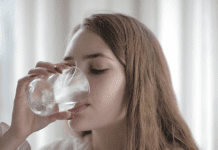
Good hydration starts at the beginning of the day. Stay hydrated by drinking plenty of water during the day leading up to practice or a game, especially in the 2-3 hours beforehand. Continue to sip water during activities and afterward to rehydrate after sweating. Water should be the main drink for exercise under 60 minutes. Diluted juice is another option, but avoid sugary beverages. Activities lasting more than one hour may benefit from a sports drink to replace electrolytes lost through heavy sweating.
7. Timing is Everything.
When you eat is just as important as what you eat—plan according to practice and game times. Your body needs about 2-3 hours to digest a regular meal, such as breakfast or lunch, before an athletic event. A small snack such as a granola bar or fresh fruit can be eaten 30-60 minutes in advance. Do not overeat at meals, and keep snacks small in size as you approach practice or game time.
Have prepared snacks for after practice or a game that offer quick-acting carbohydrates and potassium, such as bananas, other fresh fruit, yogurt, and smoothies. It is recommended to eat a replenishment snack within 30 minutes after intense activity and again two hours later.