 Every spring, something shifts in my practice. Moms come in, and they describe it in different ways. “I’ve been so tired,” “I feel off,” or “I just haven’t felt like myself.” The pattern is remarkably consistent. And one of the first things I ask about, every single time, is Vitamin D levels.
We live in the Northeast. That means that from roughly October through April, most of us are simply not getting enough sunlight to produce adequate Vitamin D on our own.
By the time spring rolls around, a meaningful portion of the women I see are running low, especially those who are pregnant, postpartum, or deep in the toddler years, the effects of that depletion can be noticeable, and easy to mistake for just being a tired, busy mom.
Let’s discuss what Vitamin D actually does for us, what it feels like when we’re low, and the simple, gentle ways to welcome it back into your life now that the sun has finally returned.
What Vitamin D Actually Does
Vitamin D is often called the sunshine vitamin, but it functions more like a hormone in the body and affects almost everything. It plays a central role in bone health and calcium absorption, immune function, mood regulation, muscle function, and inflammation. Research has also increasingly linked adequate Vitamin D levels to better sleep quality and a reduced risk of postpartum depression, which is something I think about often in my work with my patients who are pregnant and new moms.
What makes it especially relevant for mothers is how quietly and completely pregnancy and breastfeeding can deplete it even more. Growing a baby, delivering, recovering, and potentially nursing all draw on your body’s nutrient reserves in significant ways. Vitamin D deficiency doesn’t usually announce itself dramatically; it tends to whisper rather than shout. Many women carry it for months or even years without realizing it.
Signs Your Vitamin D Might Be Low
These are not diagnostic, and only a blood test can confirm deficiency, but they are worth paying attention to, especially after a long winter.
- Fatigue that sleep doesn’t seem to resolve, feeling tired even after a decent night.
- Low mood or a flat, gray feeling, especially through the darker months.
- Muscle aches or general body heaviness without a clear cause.
- Getting sick frequently, since Vitamin D is deeply tied to immune resilience.
- Bone or joint tenderness, particularly in the lower back, hips, and legs.
If several of these feel familiar, it is absolutely worth asking your doctor for a simple blood panel. It is one of the most straightforward things to test and address.
Why Moms Are Especially at Risk
Beyond pregnancy and postpartum depletion, there are a few other reasons moms tend to run low. We spend a lot of time indoors, managing households, working, and caring for kids. When we are outside, we are often wearing sunscreen, which, while important for skin protection, reduces Vitamin D synthesis.
Breastfeeding adds another layer. Breast milk is naturally low in Vitamin D, which is why pediatricians often recommend supplementing infants. What may get overlooked is that the nursing mom herself may also need to replenish her Vitamin D levels. Also, if you have a darker skin tone, your body requires more sun exposure to produce the same amount of Vitamin D, making deficiency even more common.
Simple Ways to Welcome Vitamin D Back This Spring
Get outside at midday, even for 15 minutes. The skin produces Vitamin D most efficiently between 10 a.m. and 2 p.m., when UVB rays are strongest. Keep arms and legs exposed when you can. You do not need to bake in the sun, just be in it. Walk to get lunch. Sit on the steps while the kids play. Let it be simple. This is also one of the best things you can do for your mood and your circadian rhythm.
Ask your doctor to check your levels. A 25-hydroxyvitamin D blood test is simple, inexpensive, and often covered by insurance. Most functional health practitioners consider optimal levels to be between 50 and 80 ng/mL, which is higher than the traditional normal range. If you haven’t had yours checked in the last year, spring is a great time to do it.
Consider a quality supplement. Most adults in the Northeast benefit from supplementing with 1,000 to 2,000 IU of Vitamin D3 daily, often year-round. If you are deficient, your doctor may recommend a higher therapeutic dose. Look for D3 paired with Vitamin K2, which helps direct calcium to the right places in the body. Always check with your provider first, especially if you are pregnant or nursing.
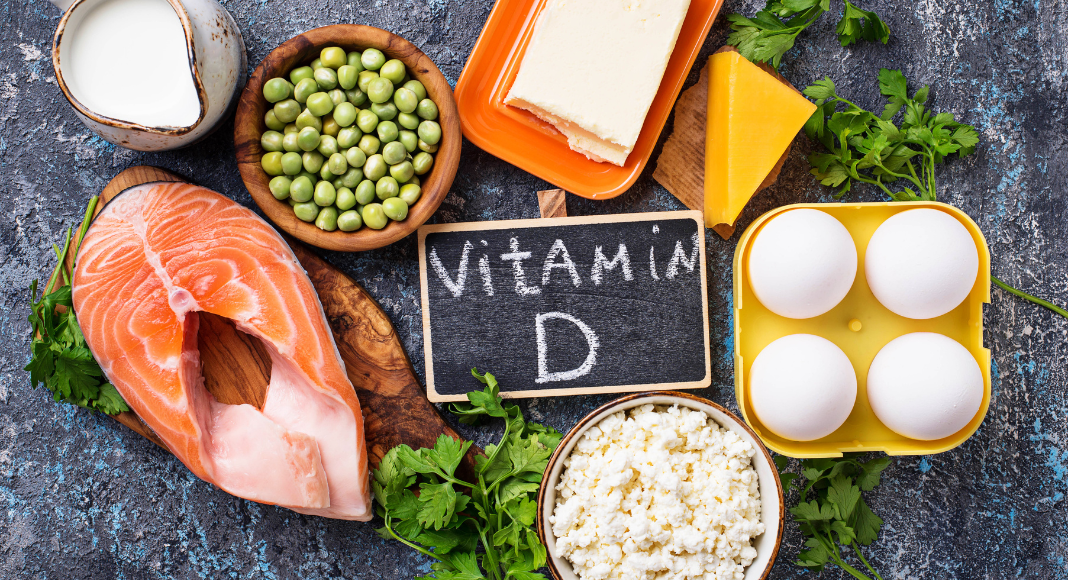
Add a few vitamin D-rich foods. While food alone rarely brings levels up significantly, it is a lovely complement to sunlight and supplementation. Fatty fish like salmon, sardines, and mackerel are among the richest sources. Egg yolks, fortified milk, orange juice, and mushrooms exposed to sunlight also help. Think of food as a supportive layer.
One more thing worth mentioning: Vitamin D and the musculoskeletal system are deeply connected. Low Vitamin D levels contribute to muscle weakness, joint tenderness, and reduced ability to heal and recover. If you have been dealing with persistent aches, it is worth asking whether your Vitamin D levels might be part of the picture. I always look at the whole person, and this is one of the pieces that often gets missed.