Many of us know Lunar New Year as a time for new beginnings, family gatherings, and traditional clothing and customs, but may not fully understand it or appreciate its diversity. Questions such as “When is Lunar New Year?” or “Is it the same as Chinese New Year?” often arise.
Lunar New Year offers a meaningful opportunity for parents to talk with children about how holidays can look different around the world, and how those differences can be honored and celebrated. For families, learning about Lunar New Year can happen through casual conversations, shared books, and community events that help make traditions feel more familiar.
What Is Lunar New Year?
Lunar New Year marks the beginning of a new year based on the lunisolar calendar, rather than the Gregorian calendar, which starts on January 1. More than a day, it represents a fresh start, when people take time to let go of the past year, look ahead with hope, and wish for harmony and prosperity. It aligns with the new moon, so the exact date changes each year, usually occurring between late January and mid-February. This year, it falls on February 17.
Chinese New Year is one of the many forms of Lunar New Year, but there are several versions with distinct names and traditions. When speaking more broadly, using “Lunar New Year” instead of “Chinese New Year” acknowledges inclusivity.
How Is Lunar New Year Celebrated?
Lunar New Year is significant across numerous countries and cultures, including China, Korea, and Vietnam. While the spirit of welcoming a new year is the same, the traditions vary widely.
It is commonly associated with Chinese customs, as they are among the most widely known. In China and in Chinese communities, Lunar New Year is often called Chinese New Year or the Spring Festival Chūnjié. Families clean their homes to sweep away old luck or negative energy, decorate with red for good fortune, enjoy performances, and give children red envelopes with money. The festivities span 15 days, ending with the Lantern Festival.
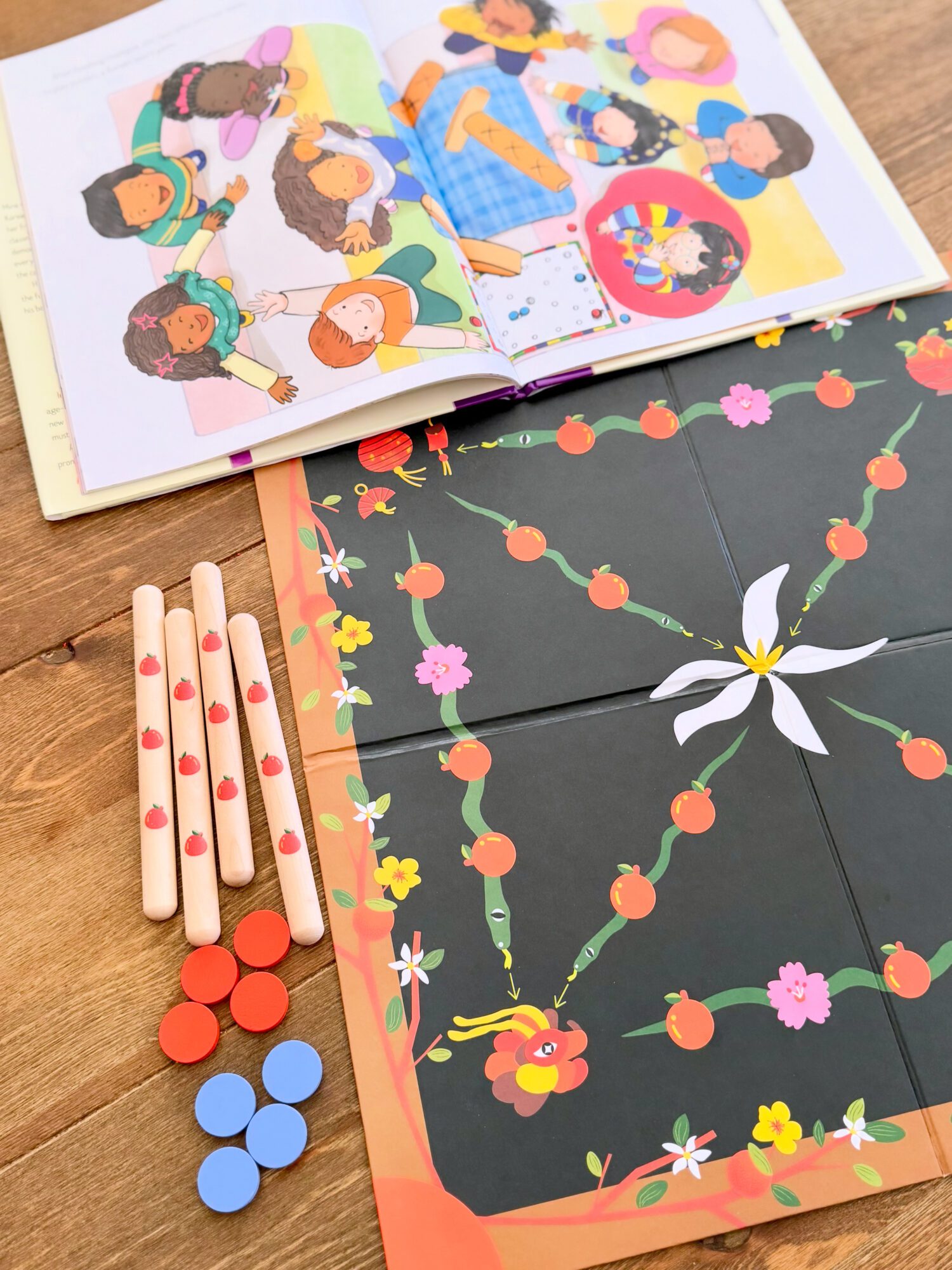
In South Korea, Lunar New Year is called Seollal. Families wear traditional clothing called hanbok, bow to elders to show gratitude and respect, play multigenerational games such as yutnori, and eat rice cake soup called tteokguk that symbolizes growing a year older together.
In Vietnam, Lunar New Year is called Tết, and blends Confucian, Buddhist, and indigenous beliefs. Homes are decorated with flowers, families honor ancestors with altars, and special foods are made to bring health and happiness for the year ahead.
Lunar New Year is observed in multiple places across East and Southeast Asia, including Singapore, Malaysia, and Indonesia, particularly among Chinese, Korean, and Vietnamese communities.
What Are the Lunar New Year Animals?
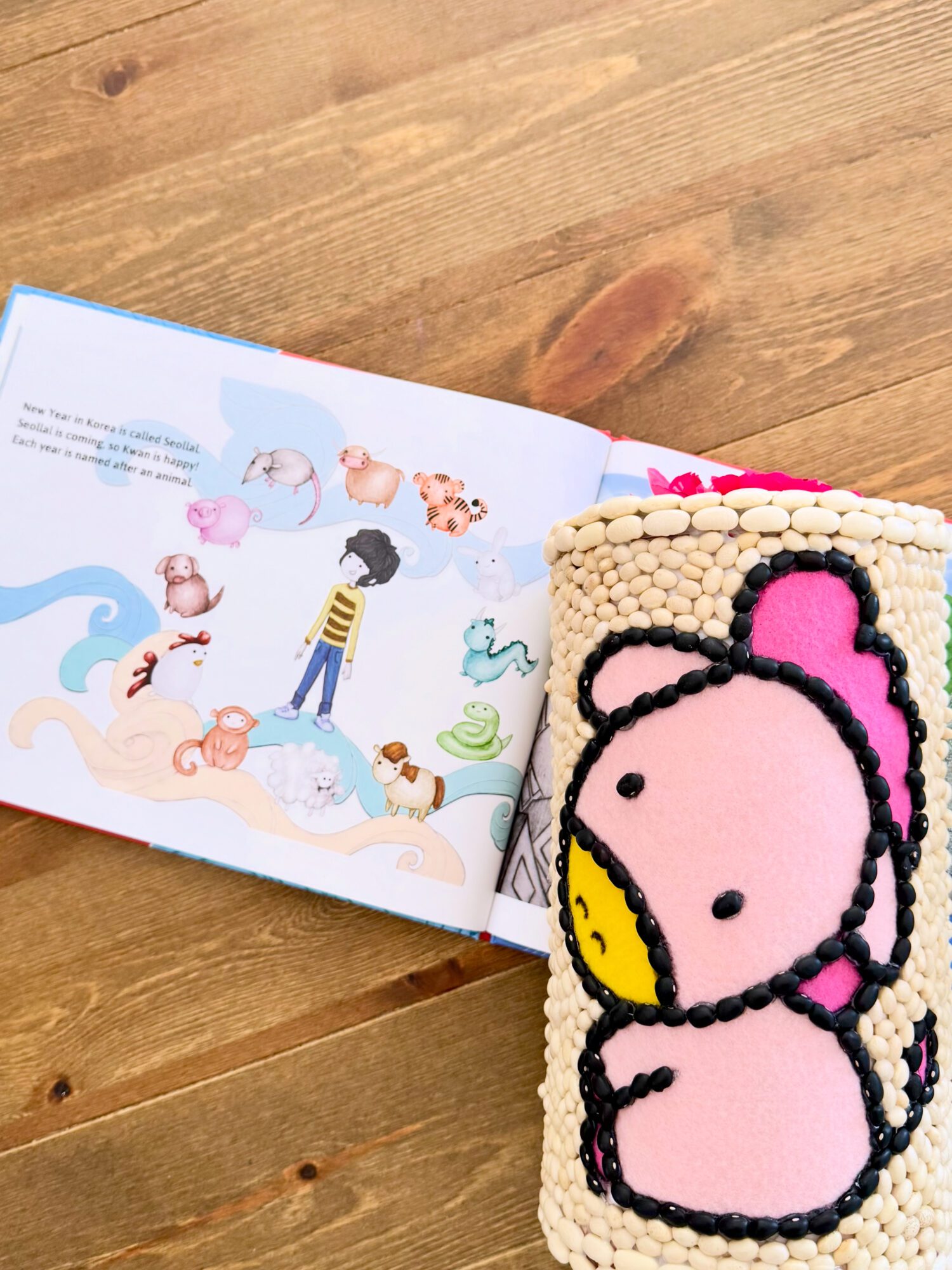
Another interesting part of Lunar New Year is learning about the 12 zodiac animals and what they symbolize. Unlike Western zodiac signs, which are based on the sun and change throughout the year, the Eastern/Chinese zodiac follows a 12-year cycle. Each year is associated with one animal, based on a person’s lunisolar birth year. When all 12 animals have had their turn, the cycle repeats.
The mythological origins of the 12 animals are rooted in a “Great Race” legend in which the Jade Emperor held a contest to determine the order of the calendar. The Rat arrived first, followed by the Ox, Tiger, Rabbit, Dragon, Snake, Horse, Goat (Sheep), Monkey, Rooster, Dog, and finally the Pig, establishing the 12-year cycle. Each animal is associated with specific personality traits believed to influence character, relationships, and life paths. The animals also pair with one of five elements — Wood, Fire, Earth, Metal, or Water — to form a 60-year cycle.
Regions across Asia share the 12-animal cycle that rotates with Lunar New Year, but the systems are not identical. Variations exist in animal selection and interpretation, reflecting differences in culture, history, and language. For example, Korea typically uses the Sheep instead of the Goat; Vietnam replaces the Rabbit with the Cat and the Ox with the Water Buffalo; in Tibet, the Deer may appear instead of the Goat (Sheep); and some Nepali narratives include the Lion instead of the Tiger.
2026 is the Year of the Fire Horse. To find your lunar-based zodiac sign, use a lunar calendar date converter for accuracy.
Children’s Books About Lunar New Year
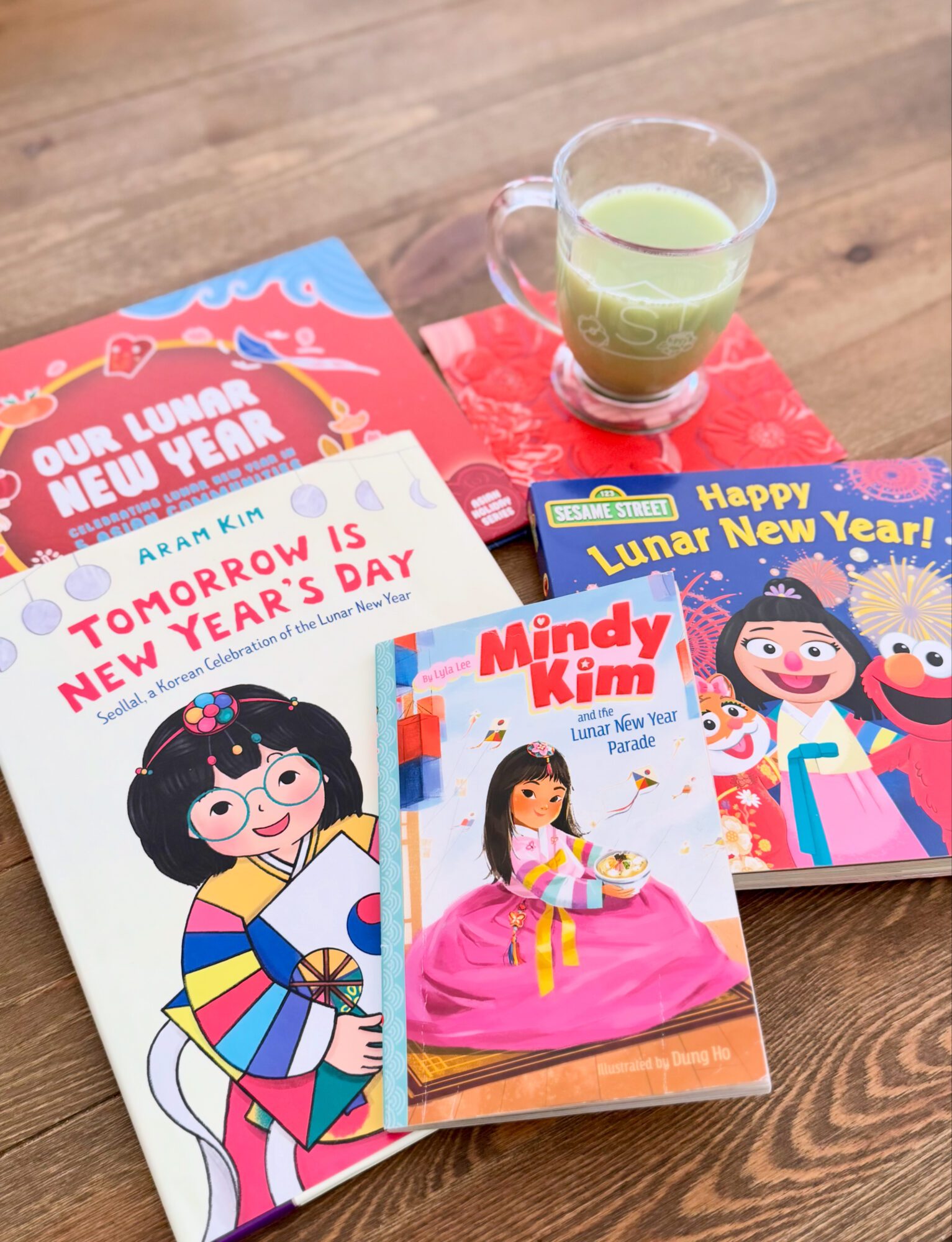
A simple and engaging way to help younger kids understand Lunar New Year is through books. Instead of listing facts, they turn an abstract idea into a lived experience by showing Lunar New Year through characters preparing food and visiting loved ones, bringing the sights and sounds to life. The following books offer an accessible way to explore how Lunar New Year is celebrated across cultures, one story at a time.
- Happy Lunar New Year!
- Our Lunar New Year: Celebrating Lunar New Year in 5 Asian Communities
- Tomorrow Is New Year’s Day: Seollal, a Korean Celebration of the Lunar New Year
- Mindy Kim and the Lunar New Year Parade
Lunar New Year Events in Westchester
Lunar New Year is celebrated in many ways, and upcoming events in Westchester County reflect a range of representation. From music and dance to food, hands-on activities, and crafts, these gatherings invite families to participate in a welcoming setting and help kids connect with the world around them.
Westchester Association of Chinese Americans (WACA) Chinese New Year Celebration
- The Performing Arts Center at Purchase College, Purchase
- Saturday, February 7, 2026, 1:00-6:00 p.m.
- $35 for adults, $30 for children; $100 for VIP tickets
Family Day: Lunar New Year Celebration
- Katonah Museum of Art, Katonah
- Sunday, February 8, 2026, 12:00-3:00 p.m.
- $9-20; free for members
- Pelham Art Center, Pelham
- Sunday, February 8, 2026, 1:00-3:00 p.m.
- Free
Lunar New Year with Westchester County Executive Ken Jenkins
- Westchester County Office Building, White Plains
- Tuesday, February 10, 2026, 5:30-7:00 p.m.
- Free
Lunar New Year Community Celebration
- Clay Art Center, Port Chester
- Tuesday, February 24, 2026, 12:30-2:30 p.m.
- Free
- Hudson River Museum, Yonkers
- Saturday, February 28, 2026, 11:00 a.m. – 5:00 p.m.
- Free with museum admission
- Chappaqua Performing Arts Center, Chappaqua
- Saturday, February 28, 2026, 1:00-5:00 p.m.
- Free