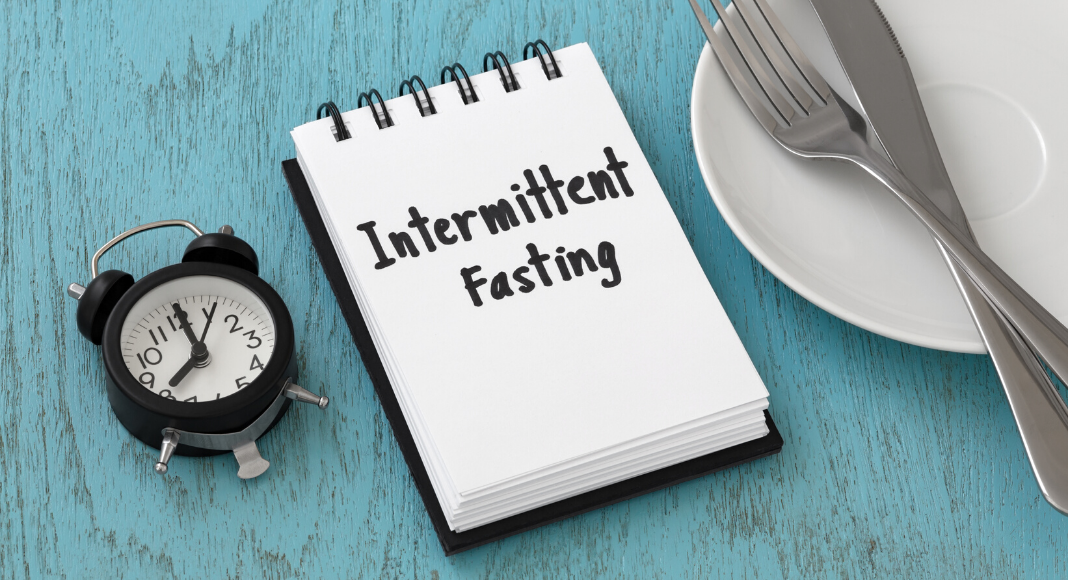
Intermittent fasting is a hot topic these days, and many people are giving it a try. Some recent research suggests that benefits might include weight management, heart disease, type 2 diabetes, sleep problems, and slowing the aging process. The truth of the matter is that research is still lacking, and we do not know the long-term effects of intermittent fasting. However, people have been practicing intermittent fasting as part of their current routines, and many love the results!
There are three popular types of intermittent fasting. All involve a pattern of alternating eating and fasting.
Alternate-Day Fasting
Alternate-day fasting involves alternating days of eating and fasting. On fasting days, no foods or beverages with calories are consumed (calorie-free drinks, such as water, black coffee, and tea, are allowed). On non-fasting days, you can eat a healthy, balanced diet without trying to restrict calories. This type of fasting will enable you to eat a “restricted diet” just half the time.
Modified Fasting
Modified fasting involves eating very small amounts of food on fasting days. Some modified fasts restrict intake on fasting days to 20-25% of needed calories. Others limit intake on fasting days to only 500 calories. Commonly, participants in modified fasting follow a 5:2 fast, meaning they eat their usual diet for 5 days per week and fast for 2 days per week.
Time-restricted Fasting
Time-restricted fasting limits calorie intake primarily during waking hours. The goal is to fast 8-12 hours each day, with the bulk of the fast occurring during sleep. This type of intermittent fasting allows one to structure an eating routine with food intake for 12-16 hours per day. This method is a good option for people who would rather not snack after their last meal or do not eat breakfast immediately upon rising.
Theoretically, intermittent fasting works because it cuts the total number of calories over a week that you would have typically consumed if you were not fasting.
Over time, by eating fewer calories, you can promote weight loss. It is helpful to think of your intake as a weekly average rather than a daily/24-hour cycle. On some days we eat more, and on some days we eat less, but over time, our body weight naturally regulates.
In my opinion, time-restricted fasting may help individuals structure an excellent dietary routine. For example, one may decide not to eat anything after 9 p.m. and resume eating between 7-9 a.m. the following day. This helps avoid unnecessary calories from late-night snacks and may help establish a healthy eating pattern.
At this time, intermittent fasting is not recommended for weight loss and may pose a health risk for some individuals. It is not recommended for people with diabetes, women who are pregnant or breastfeeding, or individuals with a history of disordered eating.