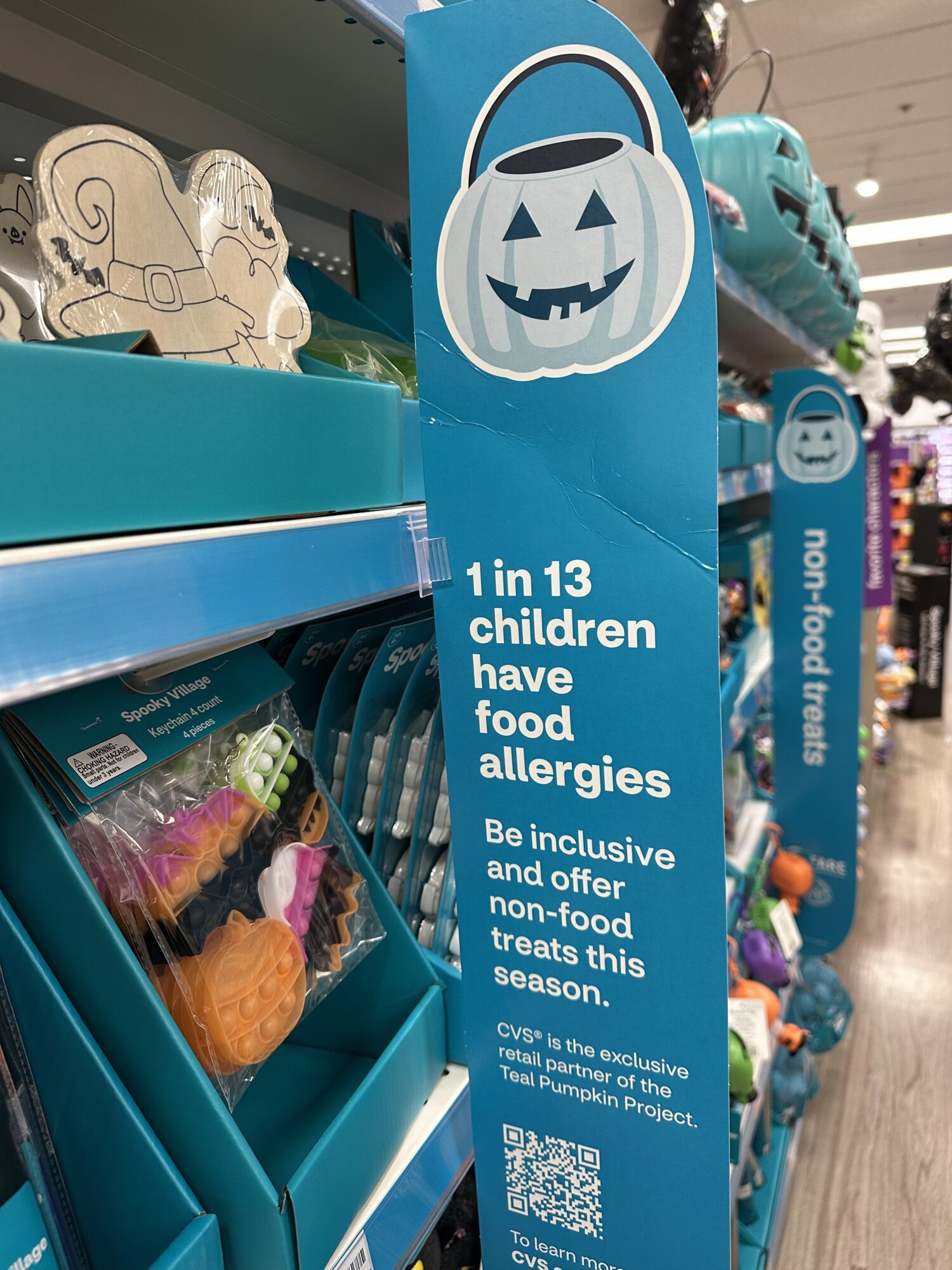
 Fact: 1 in 13 kids has a food allergy.
Our Scary Beginning
My son was just 18 months old when he ate a cookie and had his first allergic reaction. I had never witnessed anaphylaxis before and had no idea how deadly food allergies could be, or how fast they can strike. The cookie didn’t even list his allergen as an ingredient. He reacted to cross-contamination, which was a trace so small that it was invisible, yet life-threatening.
Living with Food Allergies
Everyday things like birthday cakes, school parties, and restaurants can feel like a minefield. Some kids can’t even be in the same room as their allergen. I would worry that he might touch his allergen at school or on the playground and then put his hands in his mouth, triggering a reaction.
Treatment & Hope
For years, strict avoidance and epinephrine were our only tools. Today, thanks to years of immunotherapy, my son can now tolerate his allergen enough to give him enough protection to finally enjoy simple things like ordering an ice cream cone that most people take for granted.
The Power of Community
We’ve been blessed with friends, family, and teachers who go above and beyond to keep him safe. Even small accommodations made by strangers mean the world to families like mine. And yes, there are always a few who don’t, but those moments have taught my son resilience and compassion. The little things make a big difference.
 Why the TEAL Pumpkin Project Matters
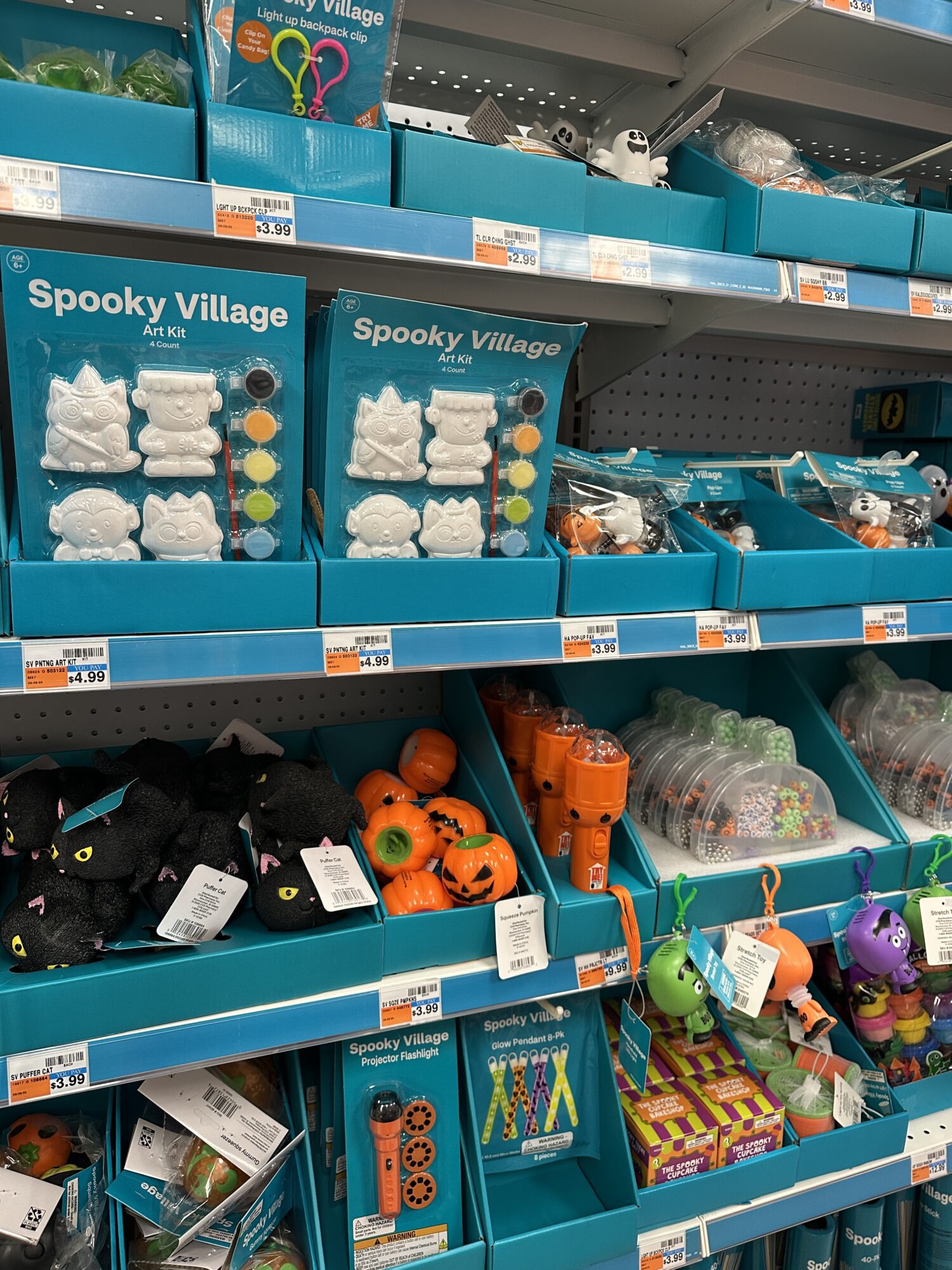
Holidays like Halloween can be especially challenging for families with allergies. That’s why the TEAL Pumpkin Project is so wonderful. By putting out a teal pumpkin, you’re letting kids know you have non-food treats available—things like stickers, glow sticks, or small toys. It’s a great way to repurpose all those party favors!
Tips:
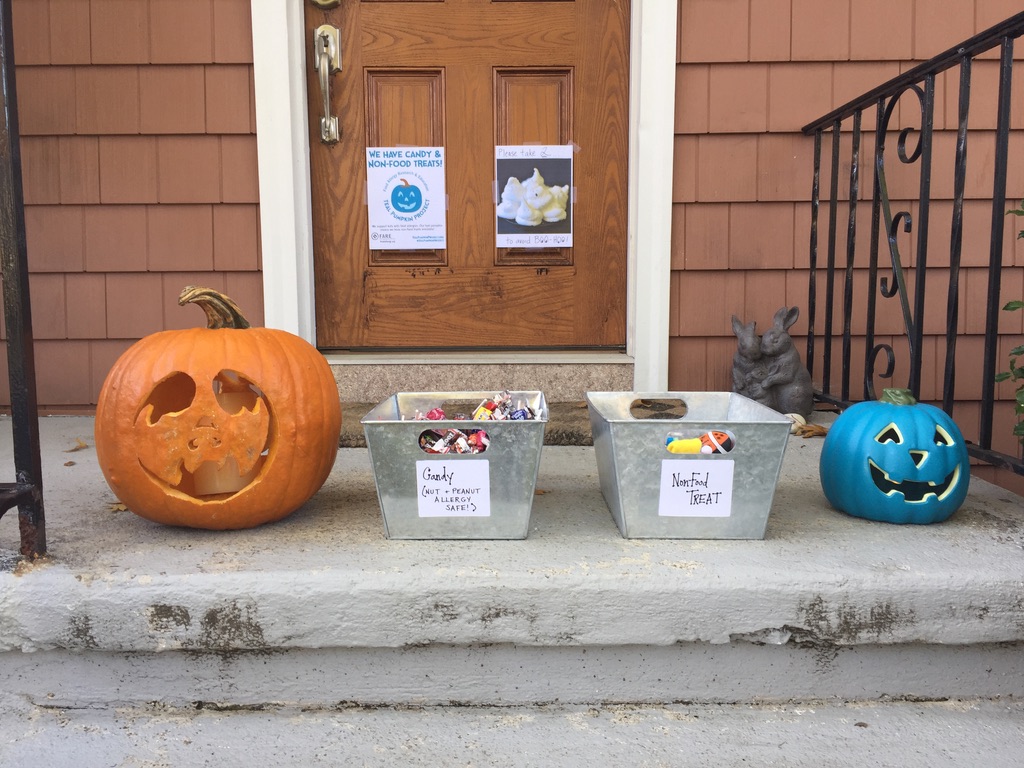
- Keep non-food treats in a separate bowl from candy.
- If you offer candy, separating nut-free ones from ones with nuts is a huge help.
- If a child is carrying a teal pumpkin, it can signify they have a food allergy.