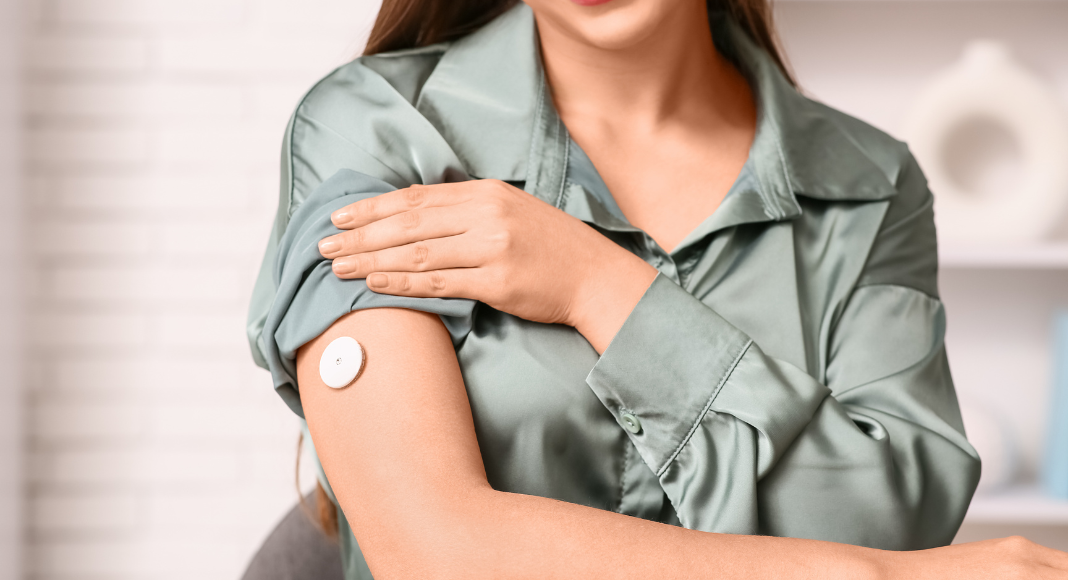
 You may have heard some buzz about continuous glucose monitors, or CGMs, in the last year. The OG use of a CGM device was invented to make it easier for people with diabetes to check and manage their blood sugar levels in real time.
Thanks to the recent rise in the importance of data alongside longevity practices, CGMs are gaining popularity outside of the diabetes community. More people are turning to tools like a CGM device to learn more and optimize their health.
A continuous glucose monitor is a small wearable device that tracks your blood sugar levels in real time. Instead of relying on traditional finger-stick checks, a CGM uses a tiny sensor placed just under the skin—usually on the back of the arm —to measure glucose in the fluid around your cells.
The sensor is connected to an app on your smartphone and provides insight into your glucose levels, changes, and transitions over 14 days. The sensor issues alerts when your levels rise or drop quickly, enabling a quick response. Most importantly, it helps you understand trends.
Upon waking up, you will see fasting glucose trends, before you have consumed any food, and from the night before for at least eight hours. The fasting glucose target range should be under 100 mg/dL.
Once you have consumed food, your blood sugar is measured as postprandial. It reflects how your body responds, particularly to the carbohydrates in your meal. The target range should ideally not rise above 140mg/dL.
The goal of a CGM is to also understand your individualized response to food and lifestyle patterns.
Benefits of using a CGM device include:
1. Individualized meal design.
You probably know that carbohydrates can spike your blood sugar. You can also better understand what ingredients, hidden sugars, or suggested healthy foods may not be ideal for your digestive and absorption system. This can help you better understand what foods create the most steady blood sugar response for YOU, which contributes to steadier energy levels throughout the day.
For example, foods such as non-dairy milk, reduced-fat products, and packaged salad dressings could easily spike your blood sugar. Incorporating more fiber at each meal could help mitigate this and allow for steadier responses.
After meals and snacks, review your CGM data to see how high your blood glucose spikes, how quickly it spikes, and how quickly it returns to normal. After two weeks, you will have a good sense of patterns.
2. Optimize your workout routine.
A good exercise program helps keep sugar levels steadier, especially 10-15 minutes post-meal. However, intense exercise, such as a strenuous training session or run, can trigger your body to release large amounts of stress hormones, which can raise your blood sugar.
Using a CGM device can make it easier to spot those spikes and drops, allowing you to adjust your insulin and workout routines accordingly.
3. Learn how stress affects your blood sugar.
Anxiety, tense emotions, and feelings of being overwhelmed take a toll not only on your emotional health but also on your physical health. When you’re stressed, your body responds by releasing hormones that can interfere with insulin and make it harder for it to break down sugars and carbohydrates in your blood.
Data from a CGM device can help you spot patterns and pinpoint stressful moments in your day so that you can work through them. Short-term stress generally isn’t a problem for most people. But if you feel constantly tense or overwhelmed, and your CGM readings show that your blood sugar is also consistently high, you’ll want to create a good stress-reduction plan.
If you’re looking to try a CGM, check out these companies and consult your doctor before trying anything new.
If you are looking to optimize your wellness routine, ask your doctor about using a CGM device. It could help you curate an individualized program that supports efficient eating and exercise.