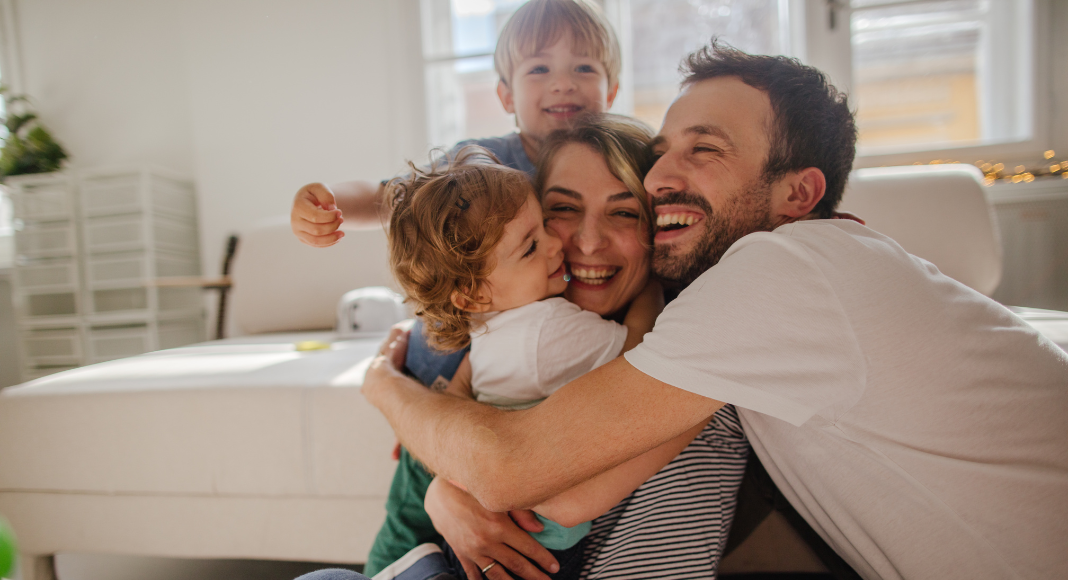
 As the season of gratitude arrives, many families take time to reflect on what they’re thankful for, from warm meals and cozy homes to family and friends. But gratitude isn’t just a November theme; it’s a skill that helps children grow into kind, compassionate people year-round.
Teaching thankfulness and empathy starts early and grows through everyday moments. Here are a few simple ways to help your child build a grateful heart and an empathetic outlook.
1. Model Gratitude Daily
Children learn best by watching the adults around them. Let them hear you express appreciation out loud:
- “Thank you for helping me clean up!”
- “I’m so thankful for this sunny day.”
- “That was so kind of your friend to share.”
When children regularly see gratitude in action, they naturally begin to mirror it.
2. Make Kindness Visible
Empathy grows when kids see the impact of their actions. Encourage simple acts of kindness they can see and understand:
- Drawing a picture for a grandparent or teacher.
- Helping a friend pick up toys.
- Feeding a pet or watering a plant.
Afterward, talk about how their kindness made someone (or something) feel. Connecting actions to emotions helps children see that kindness matters.
3. Reflect on Feelings Together
Take time to talk about emotions — your child’s and others’. Use books, pretend play, or real-life moments to ask questions like:
- “How do you think she felt when that happened?”
- “What could we do to help him feel better?”
These small conversations teach empathy by encouraging kids to imagine how others might feel.
4. Start a Family Gratitude Habit
Create a simple gratitude ritual that fits your family’s routine.
- Sharing one thing you’re thankful for at dinner or bedtime.
- Making a “Thankful Jar” — write notes about things you’re grateful for and read them together at the end of the month.
- Drawing pictures of things that make your child happy.
These traditions remind children that gratitude can be joyful and personal.
5. Give Back Together
Children understand gratitude more deeply when they experience generosity firsthand. Volunteer as a family, donate gently used toys, or make cards for community helpers. Even small acts teach that we can all make the world a little brighter.
Remember that gratitude doesn’t develop overnight. It’s built through consistency, modeling, and patience. When children feel loved, seen, and understood, empathy and appreciation come naturally.
This season, slow down and celebrate those small moments of thankfulness — a hug, a shared giggle, a “thank you” said without prompting. Those are the roots of a truly thankful heart.