According to the CDC, 1 in 31 children is autistic, up from the previous record of 1 in 36.
April was Autism Awareness & Acceptance Month, and if that has ever left you wondering “what can I do” to help or to show support, you aren’t alone. I’ve been reminded this last April that meaningful support doesn’t have to be complicated or far-reaching.
It can be local. It can be simple. And it can start today. And best yet, it can and should continue all year long, not just in April. Here’s what that looked like for me, and how it might translate into something you can do in your own community, too.
1. Support Inclusive Businesses
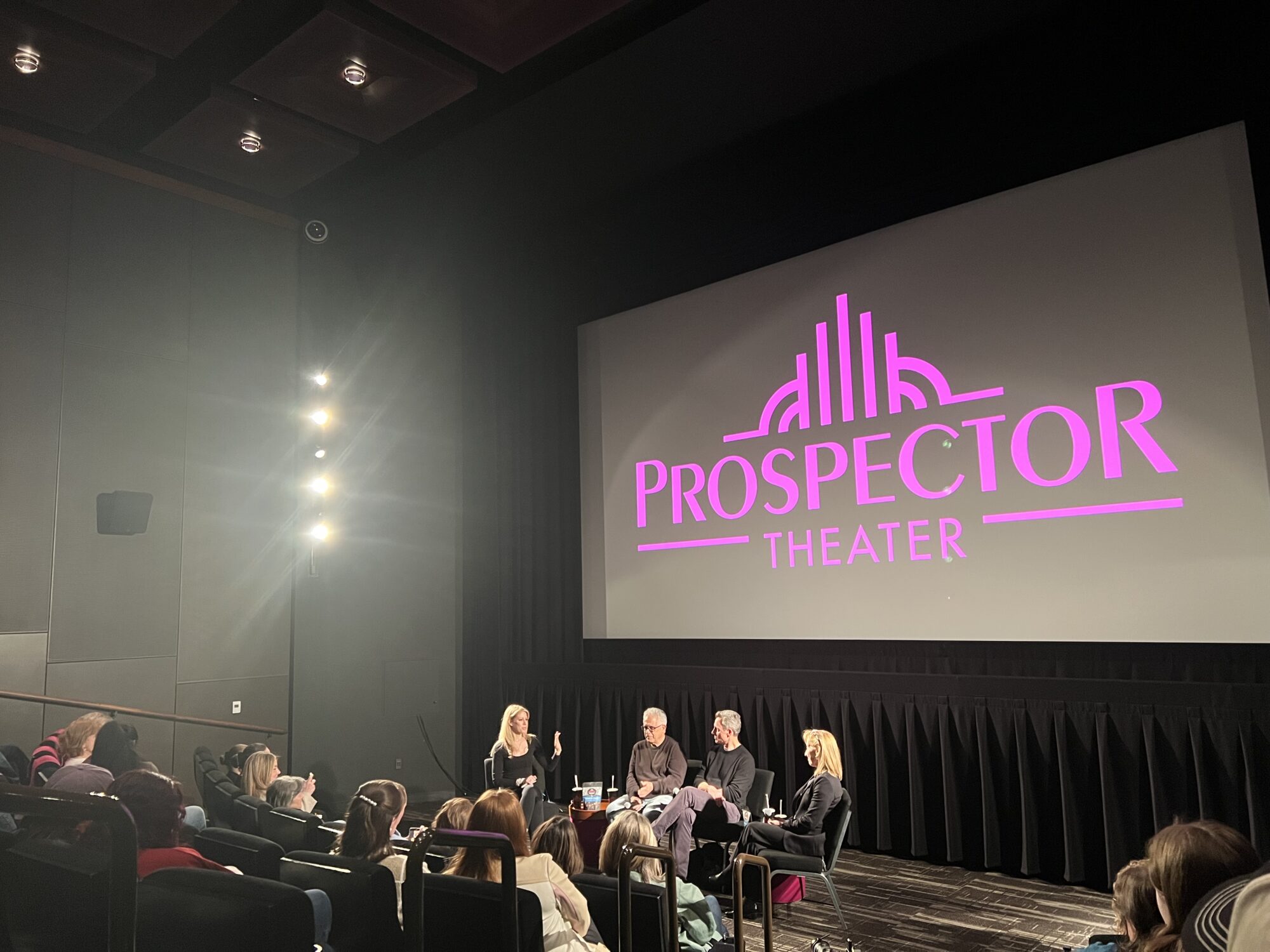
I went to see the beautiful film and special screening of Ezra at the Prospector Theater in Ridgefield, CT, followed by a Q&A with the director, Ghost and Scandal actor Tony Goldwyn, the writer who wrote from the heart and his lived experience with an autistic child, Tony Spiridakis, and Alison Singer, President of the Autism Science Foundation.
It was truly one of those experiences that stays with you forever. This was the second time I saw the film, and I loved it even more than the first. I couldn’t wait to watch it again, despite the barrage of tears from how emotional it was, with so many relatable moments and themes.
What made it even more meaningful this time around was where I was. The Prospector isn’t just a movie theater; it’s a space and organization intentionally designed to provide meaningful employment to adults with disabilities, and it keeps growing and expanding, and truly feels like its sparkly pink mission will change the world! It was such a reminder of how powerful it is when spaces and events are built with inclusion and intention.
Here’s what you can do:
- Seek out and support businesses that practice inclusive hiring.
- Attend events at places and support businesses that are mission-driven.
- Talk about and share these businesses so others know they exist.
- See films and support art that represent autistic voices and identities (Ezra could be a start, but there are many more!). Need another idea? Reelabilities Film Festival is a great one to keep an eye on, and here are their most recent features: Autism films at Reelabilities
 2. Amplify Parent Voices & Lived Experiences
This month, I was interviewed for a podcast by a mother of a profoundly autistic child who has been on a mission to raise awareness, acceptance, and connection. She recently wanted to dedicate an episode to learning more about PANS/PANDAS (extremely simplified definition: a complex medical condition caused by the acute onset of neuropsychiatric symptoms following strep throat and/or other infections) after hearing of so many overlapping conversations in the autism community.
It felt important to be part of that conversation because so many parents and caregivers are navigating complex, misunderstood conditions, often with comorbidities, without clear guidance, and I have been one of them.
Here’s what you can do:
- Listen to and share podcasts, blogs, and content created by parents and autistic individuals.
- Be open to learning about overlapping conditions and nuanced experiences.
- Create space for stories that aren’t always centered in mainstream conversations.
3. Show Up for Community Spaces
I attended a special education parent information night at a neighboring school, and what stood out most was the feeling in the room.
It was so positive and community-oriented, with people sharing ideas, resources, and upcoming events. Parents asking questions, mingling, and are excited to learn or share more. Hugs, laughter, smiles, showing of photos, and sharing of experiences. All of us are there to figure out how to support our children better and also to remind one another that we are not alone. These gatherings, events, and moments matter more than we often realize.
Here’s what you can do:
- Attend local school or community events related to autism and, even more broadly, unique learners, special education, mental health, neurodiversity, etc. (to listen, learn, and be supportive of others).
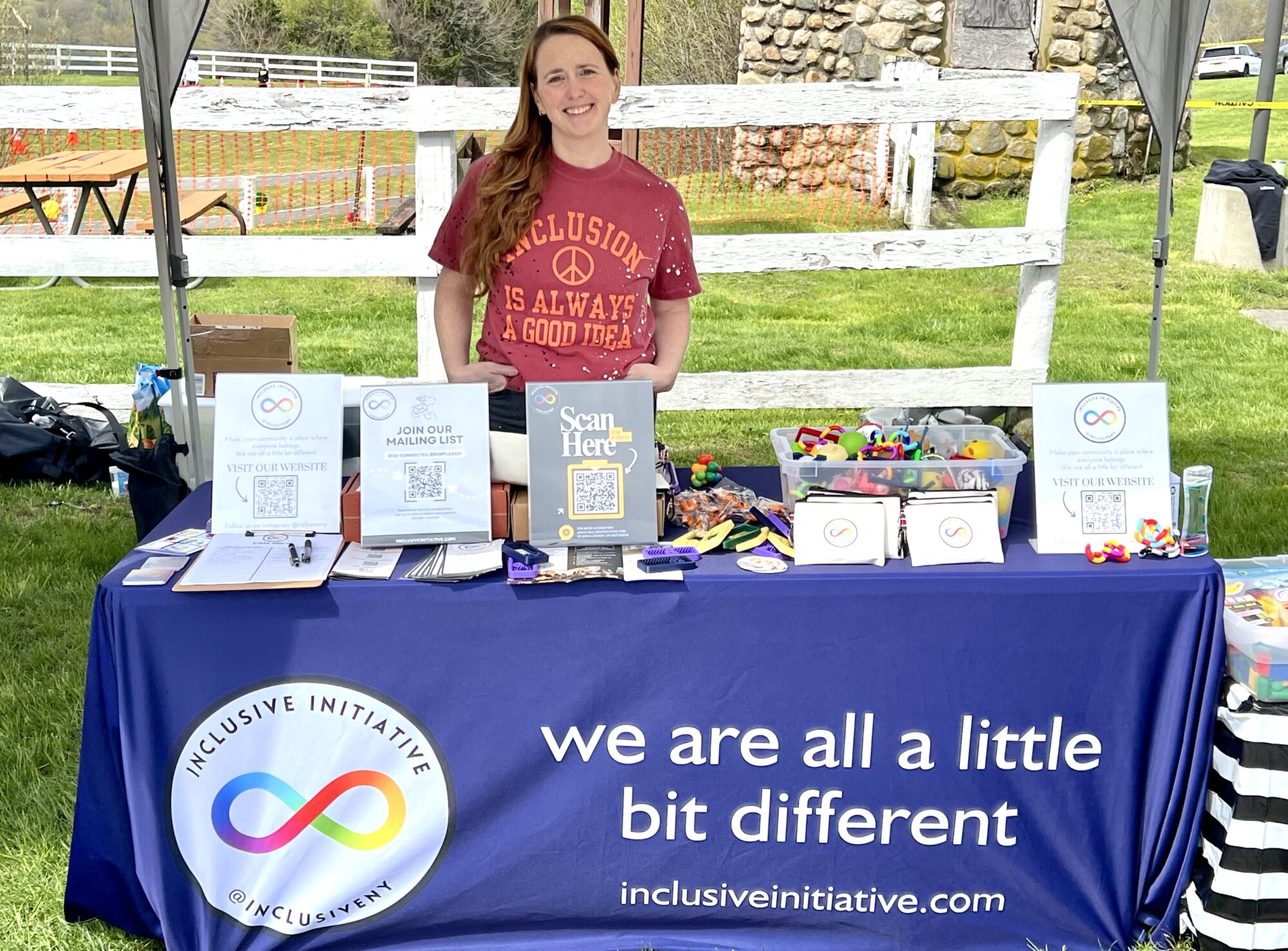
- Support parent-led groups and advocacy or learning spaces like this one (ConnectED in Bedford, who planned it, and Inclusive Initiative, Able Athletics, Best Buddies, the ones who joined in). In your own district, you can keep an eye out for Special Services events or attend a SEPTO meeting (even if only as an ally or learner who wants to support).
- If you’re able, help build or contribute to these communities; become part of the conversation. (Maybe you have a neurotypical child who can be a Best Buddy to someone!)
4. Support Brands with a Positive Message
In between everything in this very busy month, I found myself supporting the autism community in smaller ways too, like wearing my shirts (and asking for more for my birthday) from Peace Love Autism, a Texas-based brand with the message: “come for the clothes, stay for the community.”
And truly, the clothing designs are so cool and fun. But the bigger reminder stuck with me: “support your local autism community.” You can do it by buying and wearing a shirt or a huge tote bag, because you are touting the message for others to see and spreading awareness through that action.
Here’s what you can do:
- Purchase from brands that give back, raise awareness, or inclusively hire (need custom t-shirts or promo materials made? Spectrum Designs employs autistic adults)
- Share small businesses doing meaningful work for the autism and disability community.
- Remember that even small purchases can make a bigger impact (wearing a shirt from PLA, whether you have a personal connection to autism or not, shows your support as an ally, learning, growing, and accepting!)
5. Attend Events that Celebrate Autism and offer Sensory Support
I attended an Autism Acceptance Walk, and honestly, it was pure magic! There was a plethora of activities for ALL to enjoy – food trucks, fun and games, freebies galore, and a “sensory bus” from a local school district, filled with sensory-sensitive activities and furniture.
This felt like such a clear example of what inclusion really means; it’s not just about inviting people, it’s about supporting them once they’re there.
Here’s what you can do:
- If you’re organizing events, think about sensory needs (quiet spaces, tools, flexibility, sensory support).
- Advocate for inclusive practices at events you attend.
- Normalize taking breaks, stepping away, and different ways of participating for you, your kids, or others.
 6. Stay Informed & Help Bridge the Gap
I attended a virtual Special Education PTO (SEPTO) meeting in my school district, where the superintendent and special education director were present to answer questions and share their vision for special education moving forward.
There’s something important about being in these spaces, even virtually. Listening to the questions families are asking and hearing how leadership is thinking about supports, services, and direction. It gives you a clearer picture of what’s working, what’s not, and what gaps may need attention.
And here’s the part I keep coming back to: this matters even if your own child isn’t currently receiving special education services.
Because maybe they will one day. Or maybe someone close to you will. Or maybe you’re simply in a position to better understand and support families who are already navigating it.
Here’s what you can do:
- Attend a SEPTO meeting or event in your district, even if you just listen.
- Stay informed about how your district is supporting (or planning to support) diverse learners.
- If you’re part of a general PTO, consider connecting with your SEPTO, if it is separate, like ours, to help build understanding and collaboration. If you are planning a PTO-connected event, consider asking SEPTO how you can be more welcoming to everyone.
- Show up with curiosity, because you don’t need to have all the answers to be part of the conversation.
- Sometimes, just being in the room (or on Zoom) is the first step toward building a more connected and informed community.
7. Don’t Forget to Laugh (and Let Yourself Take the Break)
I ended the month with my birthday, and in a way that felt just right. I went to a comedy show with a group of girlfriends who have all been in it with me, navigating special education, supporting neurodivergent kids, riding the ups and downs, TOGETHER.
And what struck me most wasn’t just being out or celebrating, it was the laughter. Real and very much needed laughter.
Here’s what you can do:
- If you have the chance to offer a parent a small break, take it.
- Invite someone out, even if it’s just for an hour.
- Be the person who says, “I’ve got this, go take a minute.”
- Create space for laughter, connection, and not talking about the hard stuff for a bit.
And if you’re a parent who’s “in it” right now, this is your reminder too: Take a break whenever you can. Laugh as often as you can, however you can. Find your people. Be there for each other. You’re doing a really good job, even on the days it doesn’t feel like it.
8. Support Accessible Programming
We also went to a sensory-friendly screening at the Bedford Playhouse, something they offer every month for just $5 a ticket.
These kinds of consistent, accessible offerings matter. They create real opportunities for families who might otherwise feel excluded. And they are open to all! Why not join in?
Here’s what you can do:
- Support theaters and venues offering sensory-friendly options where the lights are still on but dimmed, you can get up and move around, the volume is reduced, and more.
- Encourage local businesses to create similar programming.
- Show up, because attendance helps these programs continue.
9. Keep Learning (Because There’s Always More to Learn)
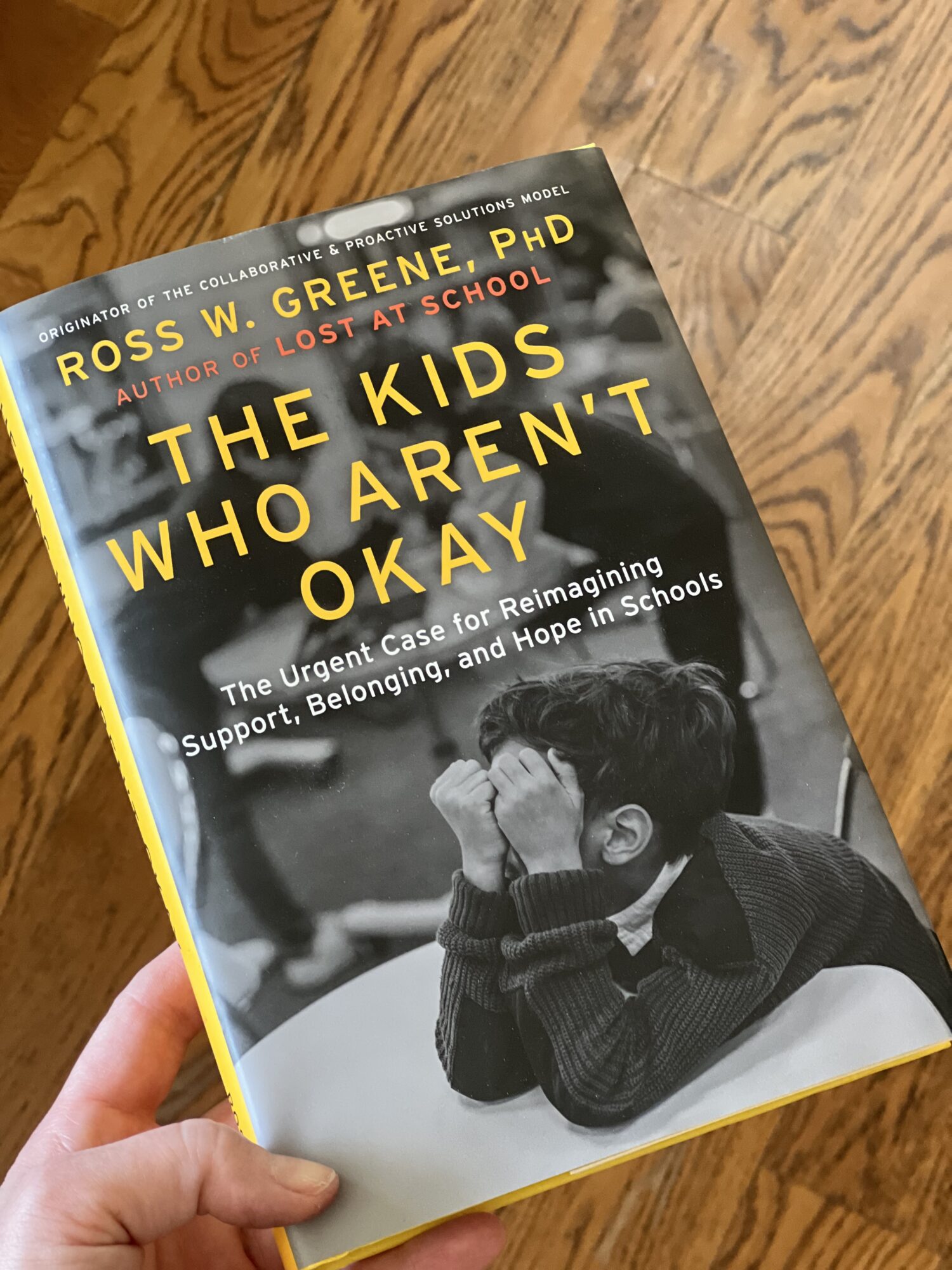
I wrapped up my pedagogy coursework as part of my NYS teacher certification journey, and if there’s one takeaway I keep coming back to, it’s this: There is always more to learn.
I spent a lot of time this month writing papers, researching autism, learning differences, instructional strategies, and the many ways students experience the world differently. And even with all of that, there’s still more.
But instead of feeling overwhelmed, I’ve started to see it as an invitation to stay curious.
Here’s what you can do:
- Take the training, attend the webinar, read the article, even one is a great start.
- If you’re an educator, keep building your toolbox with inclusive strategies and perspectives.
- If you run a business, consider training yourself and your staff to understand neurodivergent individuals and families better.
- Learn so you can show up with more awareness in your everyday interactions, and model that understanding for your kids, in how you speak, respond, and include others
10. Keep It Going
If there’s one thing I’ve taken away from this last April, where I was aiming for a full Autism Awareness & Acceptance bingo card, it’s this: Autism Acceptance isn’t built in one big moment; it’s built in a hundred small ones spread out over time.
It’s where we choose to go, what we choose to support, and how we show up for others.